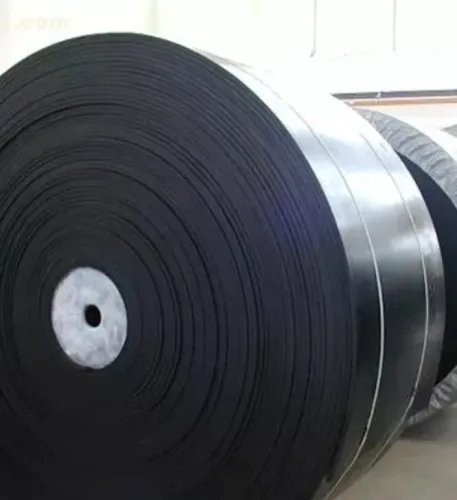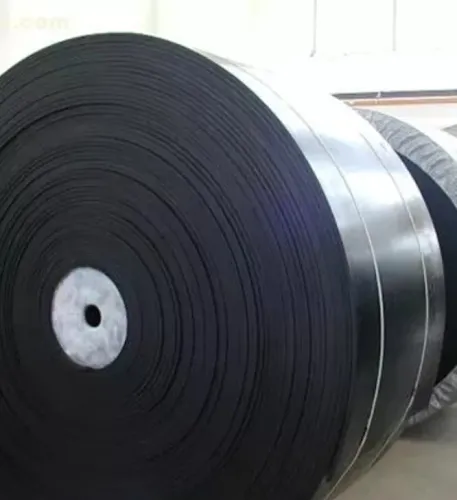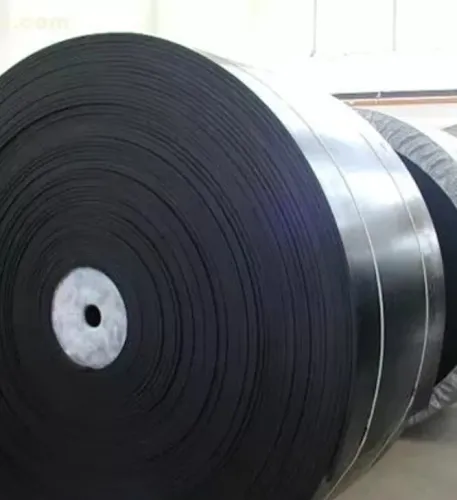

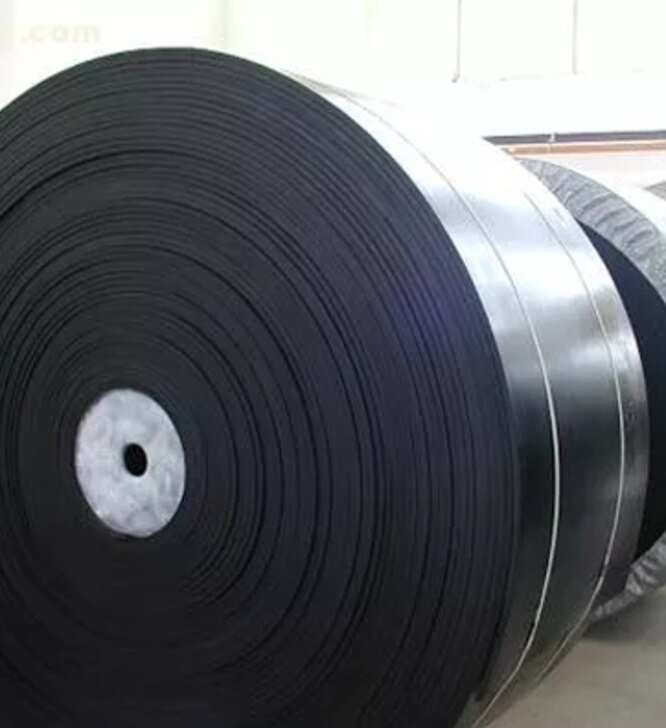
An oil-resistant conveyor belt is not automatically resistant to every fuel, solvent, grease or process chemical. By identifying the contaminant, exposure pattern, temperature and belt construction, you can compare suppliers in Pune on evidence rather than on the words “oil resistant” alone.
Key takeaways
- Identify the exact liquid before choosing an oil resistant belt.
- Match cover grade to concentration, temperature, contact time and belt speed.
- Compare carcass, skim rubber, edge design and splice construction—not only cover rubber.
- Give the supplier material, operating and conveyor details for an accurate quotation.
Start with the liquid, not the label
A belt tolerates a specified liquid, not an “oil” category. Mineral oils, diesel and hydraulic oils can differ through refining, additives and viscosity; a compound that handles petroleum oil is not automatically suitable for vegetable oils, animal fats or synthetic fluids.
| Liquid family | Why rubber response differs |
|---|---|
| Mineral oil, diesel | Petroleum hydrocarbons can swell or soften some compounds; diesel additives change exposure. |
| Hydraulic oil | Base fluid, anti-wear additives and operating temperature affect swelling and strength loss. |
| Vegetable oil, animal fat | Fatty acids can attack compounds that perform well against petroleum oils. |
| Synthetic oil | Ester, phosphate-ester and glycol chemistries require separate compatibility evidence. |
| Aromatic solvent | Toluene or xylene can cause rapid swelling, softening and adhesion loss. |
| Chlorinated solvent | Chlorinated hydrocarbons can extract or damage rubber ingredients and bonding systems. |
For oil-resistant conveyor belts in Pune, provide the exact liquid name, concentration, temperature and exposure duration. Ask for the test-liquid identity and acceptance results under ISO 1817, including volume change, tensile strength, elongation and hardness. A label alone is not a defensible specification.
Oil resistance does not prove resistance to acids, alkalis or other chemical-plant fluids. For oil-resistant belts for chemical plants and oil-resistant rubber belts, review the cover, skim rubber, carcass, adhesive and splice materials separately; oil can penetrate beneath an intact cover and destroy adhesion.
Match belt selection to exposure and operating conditions
Exposure determines the belt specification, not the words “oil resistant.” Tell the supplier whether oil reaches the belt through:
- Intermittent spillage, which may suit a resistant cover if contact is brief and cleaned promptly.
- Continuous contact, which requires stronger compatibility review for the cover, skim and splice.
- Immersion, which demands test evidence for the exact liquid, temperature and duration.
- Spray, which can wet the belt, pulley lagging and return path repeatedly.
- Oil-coated conveyed material, which creates prolonged contact across the loaded surface and carryback zone.
Persistent oil films can soften compatible rubber, trap abrasive fines, increase carryback and contaminate return idlers. That is why a quotation for oil resistant conveyor belts in Pune must address scraper design, leak control and wash-down practice, not only belt width.
Temperature is a separate input. Hot material, belt flexing and friction, or wash-down can raise belt-surface temperature above ambient; swelling and strength loss accelerate as temperature rises. Specify both the chemical exposure and the actual belt-surface temperature for oil resistant belts for chemical plants.
Choose another primary belt specification when the job mainly requires heat resistance, flame retardancy under ISO 340, electrical conductivity under ISO 284 or food-grade compliance. Oil resistance does not prevent pulley slip: oil lowers belt-to-pulley traction, so cleaning, leak control, scraper selection and adequate traction margin remain essential.
Compare the complete belt construction, not only the cover grade
A suitable oil-resistant belt is a compatible construction, not merely an oil-resistant cover. Compare the following values at the same test method and belt rating:
| Construction detail | What to compare | Why it matters |
|---|---|---|
| Cover | Compound, top and bottom thickness | Thin or unsuitable rubber wears through and exposes reinforcement |
| Carcass | Ply fabric or steel cord, skim rubber and adhesion | Oil can penetrate skim layers and separate plies |
| Strength | Rated tensile strength and joint efficiency | A strong cover does not prevent carcass failure |
| Elongation | Belt and splice elongation | Excess stretch disrupts tracking and take-up capacity |
| Abrasion | Reported abrasion resistance | Oil-coated fines can accelerate cover loss |
| Flexibility | Minimum pulley diameter and flexural limits | Oil resistance does not define bending capacity |
Ask for the proposed belt’s minimum pulley diameters and required take-up travel for its exact ply or steel-cord construction. A belt that passes an oil test can still crack, stretch or fail around undersized pulleys.
ISO 14890 sets general requirements for rubber- or plastics-covered conveyor belts; it does not prove oil resistance. Put the separate oil-resistance test, test liquid and acceptance limits in the purchase order.
For oil resistant rubber belts and oil resistant belts for chemical plants, check the entire joint system, not only the cover:
- Confirm compatibility of the skim rubber, carcass, splice kit, bonding cement and repair materials with the identified oil.
- Request cover grade, thickness, tensile rating, elongation, abrasion data, pulley limits, splice procedure, batch identification and test documentation.
- Reject a standard rubber splice if the oil can soften, swell or delaminate it before the belt itself fails.
Give a Pune supplier the data needed for a defensible quotation
Submit an operating brief before you compare quotations; a width-and-length request cannot distinguish a suitable belt from an expensive early failure.
1. Identify the service: conveyed material; actual oil or chemical name; concentration; exposure pattern—spillage, spray, continuous contact, immersion or oil-coated material; operating temperature; cleaning temperature; belt speed; and load.
2. Describe the installation: loading method, trough angle, belt width, required cover thickness, pulley diameters, splice method, scraper arrangement and cleaning chemicals. Include wash-down frequency and any carryback problem.
3. Ask every industrial conveyor belt supplier in Pune to state the construction, cover grade, tensile rating, elongation, minimum pulley diameter, splice procedure, batch identification and test documentation. For oil-resistant belts for chemical plants, request the ISO 1817 test liquid, temperature, exposure duration, volume change, tensile-strength result, elongation result and hardness change.
4. Prefer an industrial conveyor belt supplier for oil resistant belts in Pune that will review the installation, not quote only dimensions. A site survey can connect the compound and carcass to the real exposure, then check pulley geometry, take-up travel, scraper design and cleaning method.
Those links prevent a cover grade from hiding an incompatible skim, splice or flexing condition.
If Elcon Elastomers Pvt Ltd is one of the bidders, send this identical data sheet so its proposal can be compared fairly with other suppliers.
For export or continuous-process service, request traceability, inspection records and process documentation as verification evidence—not as proof that the belt will perform without matching the stated service conditions.
Related product
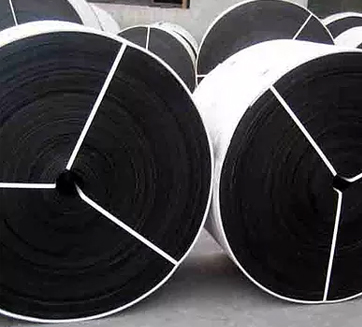 | Oil Resistant Conveyor Belts Oil Resistant Conveyor Belts are manufactured using oil resistant synthetic rubber. These belts can be customized based on client specifications. View product → |
Inspect oil-exposed belts before cleaning or adjustment
Replace an oil-exposed belt or splice when oil has penetrated the skim layers, cover separation exposes reinforcement, or cracking reaches the carcass. Cleaning cannot reverse swollen rubber, broken adhesion, exposed carcass cords or a joint that has lost bond strength.
| Defect | What to check | Decision |
|---|---|---|
| Swelling or softening | Bulges, indentation under load, tacky cover | Stop and assess; replace affected belt section |
| Hardening or cracking | Brittle cover, cracks reaching skim rubber or carcass | Replace when cracks reach reinforcement |
| Delamination or cover separation | Layers lifting, blisters, exposed fabric or cords | Repair only before reinforcement is exposed |
| Edge damage or splice lifting | Frayed edges, opened joint, lifted bonding | Repair if sound material remains; replace the splice after bond loss |
Use this inspection routine on a stopped, isolated conveyor:
- Clean a small test area, then compare it with an uncontaminated section for swelling, softening, hardening and surface cracking.
- Inspect both edges, the carry cover, return cover, splice and exposed carcass for separation, cord damage or oil-darkened skim layers.
- Run the conveyor only after guards are restored. Watch the drive pulley for slip, then correct contamination and verify pulley lagging before condemning the belt; replace it if slip remains.
For minor surface contamination, use only the belt maker’s approved cleaner. Avoid solvents that attack the compound. Record the contaminant, temperature, affected zone, batch number and photographs so recurring leaks or cleaning damage can be corrected. These records help specify oil-resistant rubber belts and compare oil-resistant conveyor belts in Pune on service evidence, not labels.
Frequently asked questions
Why is identifying the exact liquid important for oil resistant conveyor belts?
Mineral oils, diesel, hydraulic oils, vegetable oils, animal fats and synthetic fluids affect rubber differently. Confirm the fluid name, additives, concentration, temperature and contact time before selecting a belt.
What operating conditions should you provide when selecting an oil resistant belt?
Provide the liquid temperature, ambient temperature, belt speed, load, material size, contact duration, cleaning chemicals, conveyor length, incline and pulley diameters.
Which belt construction details matter beyond the oil resistant cover grade?
Compare the carcass, tensile rating, number of plies, skim rubber, edge construction, cover thickness, pulley compatibility, splice design and resistance to abrasion, heat or impact.
What information does a Pune industrial conveyor belt supplier need for a defensible quotation?
Send the exact material and liquid, exposure conditions, belt width and length, tensile requirement, pulley details, operating temperatures, speed, loading method, splice preference and drawings or photographs.
How should you inspect an oil-exposed conveyor belt before cleaning or adjustment?
Stop and isolate the conveyor, lock out the drive, inspect for swelling, softening, cracking, cover separation, edge damage, exposed carcass and splice deterioration, then document findings before cleaning or adjustment.