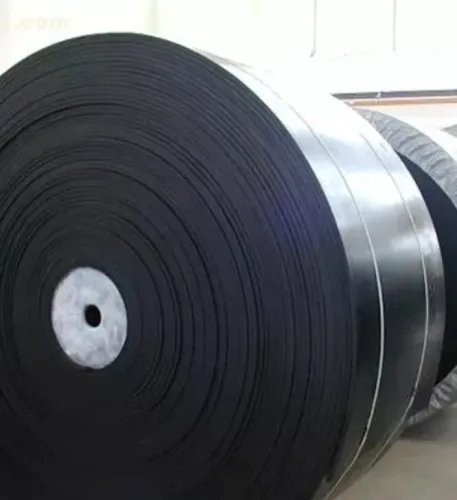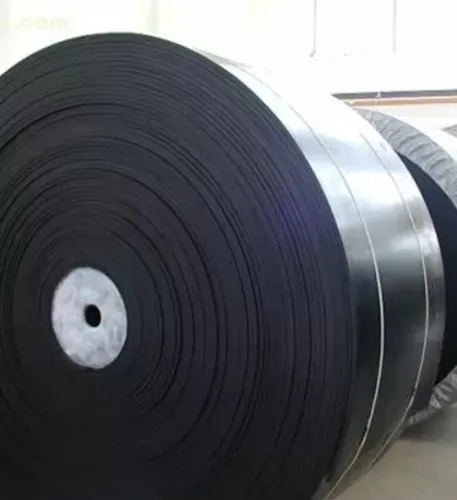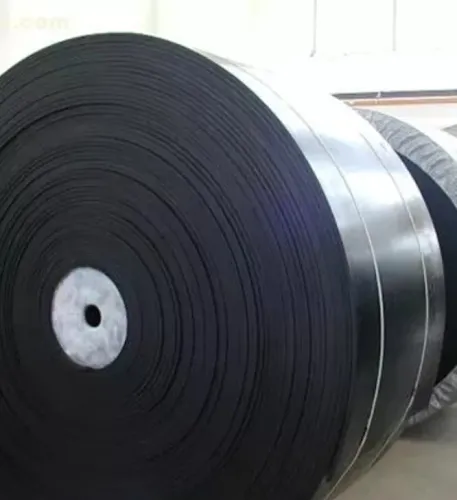

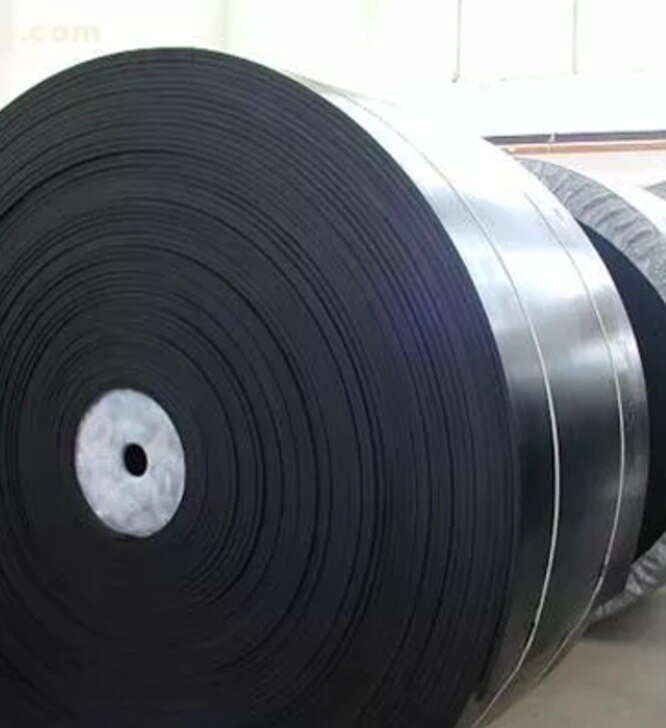
A standard general-purpose belt can carry clean ore or crushed stone, yet oil-soaked fines, diesel leaks and grease at transfer points can swell its cover and weaken its splice. By separating contamination risk from abrasion, heat, fire and structural loads, you can identify when an oil-resistant cover is justified and compare quotations on evidence rather than labels.
Key takeaways
- Choose oil resistance for repeated oil, diesel or grease contamination.
- Use general-purpose belts when contamination is only occasional and removable.
- Match belt width, carcass strength, trough angle and pulley diameters.
- Require test reports, belt construction details and traceable batch records.
When Does Mining Material Justify an Oil-Resistant Cover?
Replace a standard cover when oil, diesel or grease reaches the belt repeatedly enough to cause swelling, softening, cracking or cover-to-carcass separation. A conveyor belt for mining applications does not need an oil-resistant cover merely because a loader or truck operates nearby; occasional splashes are different from continuous contamination at a transfer point.
Record these exposure facts before choosing the cover:
- Contaminant: mineral oil, diesel, hydraulic oil, grease, or vegetable or animal oil
- Contact pattern: splash, coating, wet fines, or immersion
- Concentration and temperature at the belt surface
- Contact time before cleaning or discharge
- Visible symptoms on the existing belt, including swelling, hardness change, edge curling, cracking or slipping
A standard belt becomes a poor choice when contaminated fines remain on the carrying side, oil drips onto the return strand, or the material itself carries enough hydrocarbon to keep the rubber wet.
Ask for immersion results against the named liquid, including volume change, hardness change and tensile-strength retention; “oil resistant” alone is not a performance grade. ISO 14890 defines general belt construction categories, not resistance to your specific oil.
Keep the cover decision separate from the belt design. Compare these independently:
- Tensile rating and carcass type
- Troughability and minimum pulley diameter
- Cover gauge and impact requirement
- Abrasion result under ISO 4649 or an agreed equivalent
Oil resistance cannot repair an underspecified carcass, unsuitable pulley system or rapidly abrading cover. Choose the compound against the dominant failure mode, not its label.
Oil-Resistant Versus General-Purpose Belts in Pune Conditions
Under Pune mining conditions, choose an oil-resistant cover for contaminated feed, not for the word “mining” alone. Compared with a standard general-purpose cover, it better limits swelling, softening, tensile-strength loss and adhesion loss after contact with oil, diesel or grease. It does not automatically improve abrasion, tensile strength or pulley performance.
| Cover comparison | Practical difference in service | What to verify |
|---|---|---|
| Oil-resistant cover | Retains shape and grip better during splash, recurring wetting or oil-soaked fines | Compound designation, contaminant tested, concentration, temperature and exposure time |
| General-purpose cover | Suits clean, dry mineral service but can soften, swell, crack or lose adhesion after hydrocarbon contact | ISO 14890 construction classification does not prove resistance to a specific oil |
| Either cover | Oil resistance does not equal abrasion resistance | Compare abrasion loss under ISO 4649, or an agreed equivalent, alongside oil-immersion results |
For a conveyor belt for mining applications, oil resistant comparison in Pune should separate cover behaviour from the belt’s construction. Compare tensile rating, carcass type, troughability, minimum pulley diameter, cover gauge and impact requirement independently; an oil-resistant mining conveyor belt cannot compensate for an underspecified carcass.
Identify the actual exposure before paying for the compound:
- Mineral oil, diesel, hydraulic oil, grease and vegetable or animal oil can produce different results.
- Splash exposure differs from recurring wetting, oil-soaked fines and permanent immersion.
- Check test conditions and batch traceability rather than accepting “premium oil-resistant rubber” as evidence.
In Pune’s variable site conditions, select the cover for the worst credible exposure, then confirm abrasion performance and conveyor compatibility separately.
How to Compare Oil, Fire, Heat and Heavy-Duty Belt Options
Choose by the failure that would stop production first, then confirm the belt covers the remaining hazards. A mining conveyor belt comparison must separate oil swelling from abrasion, fire, heat ageing, static discharge and impact damage.
| Option | Main strength | Check before choosing |
|---|---|---|
| Oil-resistant | Limits swelling and softening from oil | Identify mineral oil, diesel, hydraulic oil, grease or vegetable oil; compare exposure temperature and duration |
| Fire-resistant | Limits flame spread after ignition | Require the specified fire test, such as ISO 340, and check whether the compound sacrifices abrasion life |
| Heat-resistant | Handles hot fines, hot oil or heated transfer points | Compare heat ageing against ISO 4195; hot oil accelerates rubber deterioration |
| Heavy-duty | Improves resistance to impact and abrasive run-of-mine material | Compare ISO 4649 abrasion results, cover gauge, carcass strength and impact construction |
Oil resistance is not a single grade. Splashing, recurring wetting, oil-soaked fines and permanent immersion impose different demands, and a belt suitable for vegetable oil may fail against petroleum-derived oil.
For combined hazards, score each option against the actual failure modes rather than choosing the longest label. Check tensile rating, carcass type, troughability, minimum pulley diameter and splice adhesion independently; oil resistance cannot correct an underspecified carcass or unsuitable pulley system. Verify electrical resistance to ISO 284 where static discharge is a hazard.
A low-temperature-flexible compound may trade away abrasion performance, adhesion or cost, so demand test data for the contaminant and temperature you actually face.
Which Belt Specifications Must Match the Conveyor Design?
An oil-resistant cover cannot compensate for a carcass that is too weak, a pulley that is too small or inadequate impact protection. Compare the conveyor belt for mining applications against the conveyor’s actual geometry and loading before comparing cover compounds.
| Specification | What to compare | Consequence of mismatch |
|---|---|---|
| Tensile rating | Belt strength against belt width, centre distance, lift and starting tension | Longitudinal stretch, splice failure or belt breakage |
| Carcass type | Steel-cord or textile construction, ply count and rated strength | Poor load support or excessive elongation |
| Troughability | Belt’s ability to form the existing idler angle without edge lift | Spillage, mistracking and edge wear |
| Minimum pulley diameter | Manufacturer’s limit against every drive, bend and snub pulley | Cracked carcass, broken cords or cover separation |
| Cover gauge | Top and bottom thickness against abrasion, oil contact and return-side wear | Premature wear or unnecessary belt weight |
| Impact requirement | Impact rating and reinforcement at the loading point | Cuts, punctures and damaged plies |
Specify the contaminant separately: mineral oil, diesel, hydraulic oil, grease, or vegetable or animal oil. Record concentration, temperature and exposure time; performance against vegetable oil does not prove performance against petroleum-derived oil.
Keep construction evidence separate from cover evidence. ISO 14890 addresses general-use rubber- or plastics-covered textile belts, not resistance to a particular oil. Request oil-immersion results for the named contaminant, plus abrasion data under ISO 4649 or an agreed equivalent. Check ISO 4195 requirements when hot oil, hot fines or heated transfer points could accelerate ageing.
Then compare splice adhesion, low-temperature flexibility and impact life, not merely the oil-resistant label.
What Evidence Should You Require From a Pune Belt Supplier?
Require a signed technical data sheet and test report before treating quotations as comparable. Whether you are dealing with Elcon Elastomers Pvt Ltd or another industrial rubber parts supplier in Pune, ask for the same evidence under the same test conditions.
- Compound designation, carcass construction, nominal tensile strength, cover thickness and production-batch number
- Recommended storage temperature, humidity limits and maximum storage period
- Test methods and results for oil immersion, abrasion, tensile strength and adhesion
- Splice method, compatible cement or uncured rubber system, cure temperature, cure time and post-splice inspection procedure
Use this mining conveyor belt comparison table to expose incomplete offers:
| Evidence | Compare | Why it matters |
|---|---|---|
| Construction | Tensile rating, carcass type, troughability, minimum pulley diameter and impact rating | An oil-resistant cover cannot correct an unsuitable carcass or pulley system |
| Oil resistance | ISO 1817 volume, mass and hardness changes after immersion in your actual oil, diesel or grease | “Oil resistant” without fluid and exposure data is not a performance claim |
| Abrasion | ISO 4649 result, or an agreed equivalent, with test conditions | Swelling resistance does not prove durability against run-of-mine rock |
| General conformity | ISO 14890 classification and declared construction | ISO 14890 does not establish resistance to a particular oil |
| Splice | Cure record, splice dimensions, adhesion checks and inspection photographs | A suitable cover can fail when the splice compound swells or loses adhesion |
Reject a quote that gives only a cover grade. The oil resistant mining conveyor belt must be traceable from compound batch through final splice inspection.
Related product
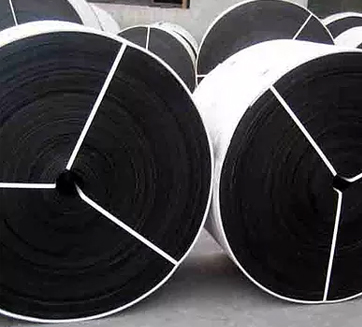 | Oil Resistant Conveyor Belts Oil Resistant Conveyor Belts are manufactured using oil resistant synthetic rubber. These belts can be customized based on client specifications. View product → |
Frequently asked questions
When does mining material justify an oil-resistant conveyor belt cover?
Choose an oil-resistant cover when oil, diesel or grease repeatedly reaches the belt and causes swelling, softening, cracking or cover-to-carcass separation. Nearby vehicles alone do not justify the upgrade.
How do oil-resistant and general-purpose belts compare in Pune conditions?
A general-purpose belt suits dry material and occasional splashes that you can remove quickly. An oil-resistant mining conveyor belt suits repeated contamination, but you must compare its price, cleaning demands, abrasion resistance and compatibility with the conveyor design.
How should you compare oil, fire, heat and heavy-duty belt options?
Select oil resistance for hydrocarbon exposure, fire resistance where the operating hazard and specification require it, heat resistance for sustained elevated material temperatures, and heavy-duty construction for high impact, tension or abrasion. Do not treat one property as a substitute for another.
Which belt specifications must match the conveyor design?
Check belt width, length, carcass strength, splice method, cover thickness, troughing angle, belt speed, rated capacity, pulley diameters, take-up travel, loading impact and operating temperature before ordering.
What evidence should you require from a Pune belt supplier?
Request the belt construction and cover grade, test reports for the claimed properties, dimensions and tolerance data, splice instructions, storage guidance, batch or lot traceability, warranty terms and references for comparable mining service.