
A general-purpose conveyor belt is not a universal belt: its suitability depends on the material, temperature, loading impact, oil exposure, belt construction, and conveyor geometry. By comparing those factors with specialty-belt requirements, you can reject unsuitable quotations and request comparable technical data from suppliers in Pune.
Key takeaways
- Match the belt cover to material oil, abrasion, moisture, temperature, and impact.
- Compare belt width, tensile strength, speed, incline, lump size, and tonnes per hour.
- Verify pulley diameters, troughing requirements, splice method, and test certificates.
- Request identical quote details from every industrial conveyor belt supplier in Pune.
What a General-Purpose Conveyor Belt Is Designed to Handle
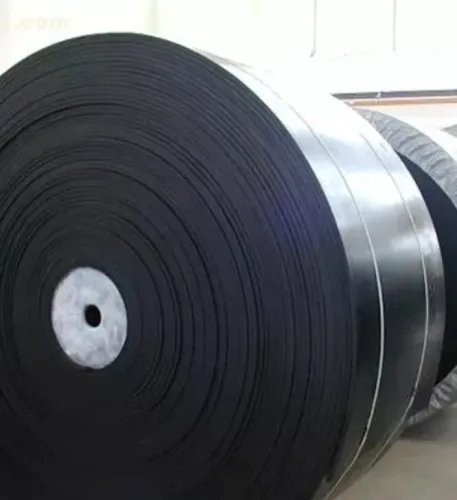
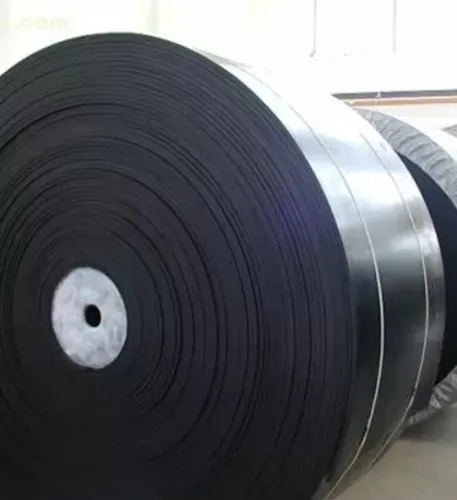
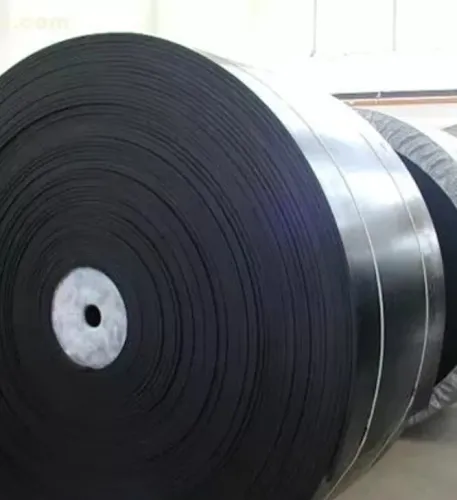
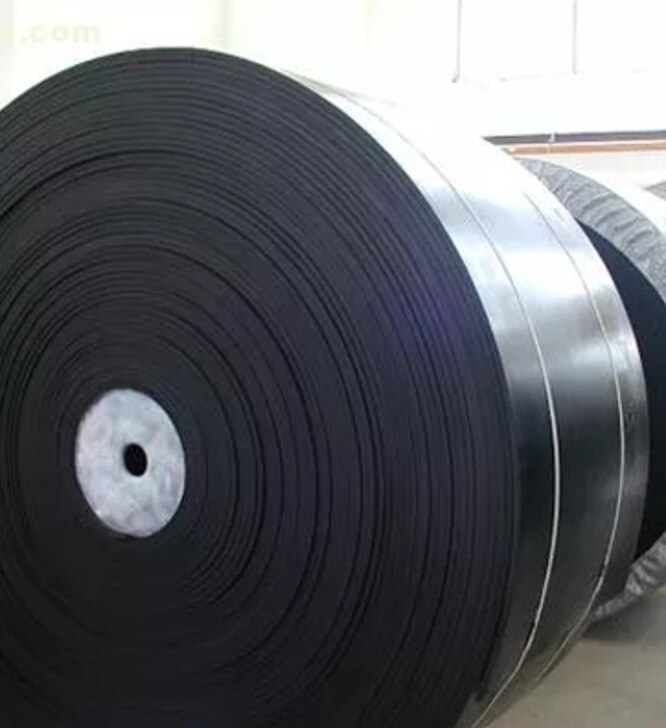
A general-purpose conveyor belt is built for ordinary, non-oily materials under standard ambient conditions, with moderate abrasion, ordinary moisture, and controlled impact. Its specification still depends on the material, belt speed, incline, lump size, and duty level.
The carcass may be a textile construction such as EP or NN, while the cover grade and thickness determine resistance to wear, moisture, and minor impact. “General purpose” is not a complete performance specification.
| Construction | Textile carcass selected for the conveyor’s tension and flexibility requirements |
|---|---|
| Cover | Rubber or plastic compound for moderate abrasion and non-oily service |
| Operating conditions | Standard ambient temperatures, ordinary moisture, and controlled loading impact |
| Duty level | Routine conveying rather than severe heat, persistent oil contact, sharp impact, or extreme abrasion |
Suitable applications include:
- Aggregate transfer where impact and abrasion remain moderate
- Packaging lines carrying cartons, sacks, or containers
- Warehouse handling and distribution conveyors
- Recycling lines with controlled feed and ordinary contamination
- Bagged goods and pallet-handling operations
- Ordinary bulk-material conveying for materials such as sand, grain, or crushed product
ISO 14890 provides a reference for rubber- or plastics-covered textile belts used in general conveying service. It does not make every belt carrying a general-purpose label equivalent. In a general purpose conveyor belt comparison, request the carcass, tensile rating, cover grade, cover thickness, abrasion result, pulley diameter, and splice method.
General purpose rubber belts are suitable only when those details match the duty; there is no universal temperature or capacity rating.
General-Purpose Versus Specialty Belts: Which Specification Changes the Decision?
A general purpose conveyor belt comparison should begin with the failure you are preventing, not the sales label. General purpose rubber belts suit ordinary, non-oily conveying; persistent oil, heat, flame, sharp rock, or hygiene demands change the required compound, cover, carcass, or documentation.
| Option | Specification change | When it applies |
|---|---|---|
| General-purpose | Standard textile carcass and cover for moderate abrasion and ambient service | Aggregate transfer, packaging, and ordinary bulk materials |
| Heavy-duty | Higher tensile or impact construction, but no automatic performance guarantee | Larger loads or harsher loading; verify test results |
| Oil-resistant | Cover compound selected for the actual contaminant | Continuous mineral oil, vegetable oil, diesel, or process-chemical contact |
| Heat-resistant | Heat-rated cover and suitable splice system | Hot clinker, coke, or material that heats the cover |
| Fire-resistant | Flame-retardant cover with evidence such as ISO 340 | Exposed flame, underground conveying, or specified fire risk |
| Food-grade | Food-contact-compatible materials, cleanable construction, and required compliance records | Sanitary food processing |
| Cut, tear, or abrasion specialty | Reinforced carcass, breaker, or compound validated by tests such as ISO 34-1, ISO 812, or ISO 4649 | Sharp impact-heavy rock and severe abrasion |
A “heavy-duty” label alone proves none of cut, tear, abrasion, heat, or impact performance. Request the test method, result, cover thickness, carcass construction, and minimum pulley diameter.
Flame retardance is not antistatic performance. Ask separately for flame evidence, such as ISO 340, and electrostatic compliance; a black cover or an antistatic note does not replace either requirement. Choose general-purpose only when those hazards and compliance demands are absent.
How Width, Strength, Pulley Geometry, and Capacity Change the Comparison
Width is set by tonnes per hour, belt speed, material lump size, loading method and trough angle—not by tensile rating alone. Length follows the conveyor centre distance and take-up arrangement; thickness and cover thickness must match impact, abrasion, pulley diameter and splice design.
A general purpose conveyor belt comparison is credible only when these inputs are identical.
1. Read EP 315/3 as an EP textile carcass rated at 315 kN/m nominal longitudinal strength with three plies; EP 500/4 denotes 500 kN/m and four plies. Neither designation states usable working tension, cover grade, belt mass or service life. Check the datasheet and safety factor.
2. Choose carcass and take-up together. EP offers low elongation and good tracking for ordinary and medium-long centres; NN is more flexible and tolerates smaller bending stress but elongates more. Steel cord suits high tension and long centres, with little elongation and shorter take-up travel, but demands precise alignment and specialised splicing.
3. Match pulley diameter to carcass, thickness, cover, troughing and splice. An undersized pulley causes carcass fatigue and longitudinal cover cracking even when tensile strength is adequate. Incline angle, belt tension and loading geometry determine whether the selected width and cover can carry the load without rollback or spillage.
| Construction | Elongation and flexibility | Selection consequence |
|---|---|---|
| EP | Low elongation, moderate flexibility | General and medium-long conveyors; conventional tracking and splicing |
| NN | Higher elongation, high flexibility | Shorter bends and demanding flexibility; allow more take-up travel |
| Steel cord | Very low elongation, lower flexibility | High tension and long centre distance; specialist splicing and alignment |
Capacity remains separate from strength: speed, loading method, lump size, incline, tension and conveyor geometry decide usable throughput. Ask every industrial conveyor belt supplier in Pune for the same calculation, not a price per metre.
Which Operating Limits and Test Results Should You Verify?
A quote is incomplete without operating limits. Request separate values for continuous material temperature, short peak temperature, ambient temperature, belt underside temperature, and splice temperature; compare heat-resistant classifications under ISO 4195 rather than selecting a belt because the feed point is cool.
Ask for these inputs and results:
- Identify the actual oil or chemical: vegetable oil, mineral oil, diesel, or a process chemical. Request ISO 1817 immersion changes in volume, hardness, and tensile properties; never infer oil resistance from “rubber.”
- Record moisture exposure, material lump size, impact severity, incline angle, belt speed, and every pulley diameter. Ask for the minimum pulley diameter, cover thickness, belt-to-carcass adhesion, and carcass tensile rating.
- Request abrasion data to ISO 4649, tear strength to ISO 34-1, and cut-growth or cut-resistance data to ISO 812. These expose weaknesses hidden by “heavy-duty” or “general purpose rubber belts.”
- If fire performance matters, obtain ISO 340 flame-retardant evidence and a separate antistatic specification. A black cover does not prove either property.
- Ask industrial rubber sheet manufacturers or belt suppliers for the complete splice design, not only belt dimensions.
| Result or design item | What to verify | Why it matters |
|---|---|---|
| Heat classification | ISO 4195 result and stated temperature limits | Prevents hardening, cracking, or delamination downstream |
| Splice method | Hot-vulcanized or mechanical splice | Vulcanizing offers continuity; mechanical splices simplify field repair but add thickness and pulley stress |
| Pulley and adhesion | Minimum diameter and adhesion value | Prevents cover separation and carcass damage |
A Pune Supplier Comparison Checklist That Produces Comparable Quotes
Comparable quotes start with one identical data schedule, not a request for “general-purpose belt” pricing.
- Record conveyed material, largest lump size, tonnes per hour, belt speed, conveyor length, inclination, and loading method.
- Add ambient temperature, continuous and peak material temperatures, oil or chemical contact, pulley diameters, take-up type, splice preference, and required standards.
- Request carcass construction, tensile rating, cover compound, cover thickness, measured abrasion result with its test method, available widths and lengths, test certificates, lead time, installation support, replacement availability, and warranty terms.
| Compare | Ask for | Why it matters |
|---|---|---|
| Carcass | EP, NN, or steel-cord construction and tensile rating | A nominal rating does not define working tension, flexibility, or splice needs |
| Cover | Compound, thickness, and ISO 4649 abrasion result | A 5+2 mm cover can perform differently from another 5+2 mm cover |
| Geometry | Minimum pulley diameter and take-up arrangement | A mismatch causes carcass fatigue, cracking, or tracking problems |
| Service | Certificates, lead time, installation, replacements, warranty | The cheapest initial quote can create longer downtime later |
Use this schedule with every industrial conveyor belt supplier in Pune, including an industrial conveyor belt supplier general purpose belt for comparison in Pune. Elcon Elastomers Pvt Ltd could be assessed against the same fields rather than price per metre alone.
A rubber sheet from industrial rubber sheet manufacturers is not a complete conveyor belt. It lacks the engineered carcass, cover-to-carcass adhesion, edge construction, longitudinal strength, transverse flexibility, and qualified splice system needed for conveyor service.
Related product
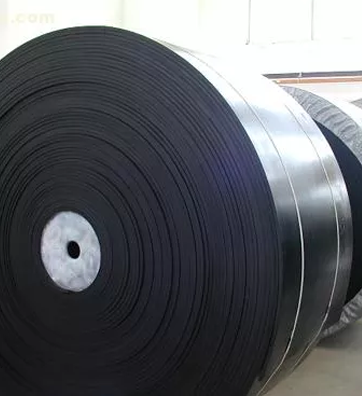 | General Purpose Conveyor Belts General Purpose Conveyor Belts General purpose belts we provide are precisely fabricated by our trained professionals using finest quality materials and sophisticated techniques. View product → |
Frequently asked questions
What materials is a general-purpose conveyor belt designed to handle?
It suits ordinary non-oily materials under standard ambient conditions, including materials with moderate abrasion, ordinary moisture, and controlled impact. Confirm the specification against material type, lump size, belt speed, incline, and duty level.
When should you choose a specialty conveyor belt instead?
Choose a specialty belt when the application involves oil, high heat, fire risk, severe abrasion, extreme cold, food-contact requirements, chemicals, or unusually high impact. A general-purpose belt is not a substitute for those specified cover compounds or constructions.
Which dimensions and operating figures should you compare?
Compare belt width, tensile strength, carcass construction, cover thickness, belt speed, conveyor length, incline, tonnes per hour, lump size, and loading method. Check that the belt also fits the conveyor's pulley diameters, troughing idlers, take-up, and splice arrangement.
What should a Pune supplier include in a comparable belt quotation?
Request the belt grade, width, length, tensile rating, cover thickness, carcass type, splice method, pulley-diameter requirement, operating limits, test results, delivery scope, and warranty terms. Give every supplier the same conveyor and material data before comparing prices.