
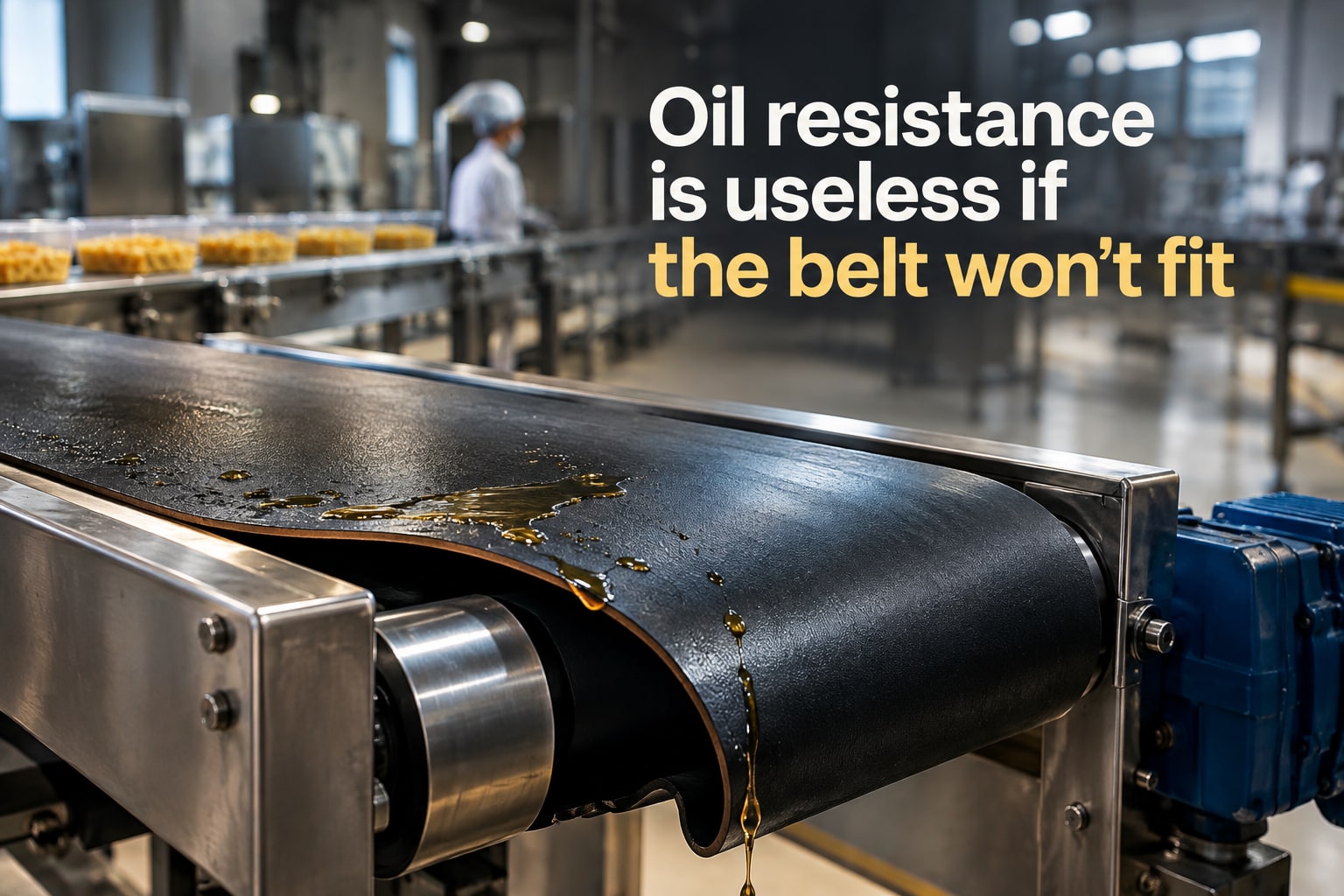
A belt described as oil resistant is not automatically suitable for every oily product, cleaning chemical, temperature, or conveyor layout. By the end, you will know what fluid data to provide, which test results and construction details to request, how to compare Pune stock with made-to-order supply, and how to normalise the delivered cost.
Key takeaways
- Name the fluid, concentration, temperature, exposure time, and contact pattern.
- Request test evidence matching your oil, temperature, and operating conditions.
- Confirm belt width, length, pulley diameter, splice method, and tracking space.
- Compare delivered price with replacement risk and the cost of stored stock.
Start with the Fluid, Temperature and Contact Pattern
A belt choice starts with the exact fluid and its service conditions, not the label “oil resistant.” Name whether the conveyor handles mineral oil, vegetable oil, animal fat, diesel, hydraulic oil, lubricant, solvent, pharmaceutical ingredient, or cleaning mixture. Give its concentration, temperature, exposure duration, and whether contact is continuous or intermittent.
Oil resistance is not chemical resistance. A cover that tolerates mineral oil can swell or soften in vegetable oil, animal fat, acids, caustic soda, solvents, or cleaning chemicals. Nitrile-based cover compounds are a common starting point for oily service, but the final compound must match the actual fluid and temperature.
Give an industrial conveyor belt supplier the full process profile.
| Service condition | What changes | Failure risk if ignored |
|---|---|---|
| Ambient conveying | Covers ordinary product temperature and intermittent contact | Swelling or softening from an unreported residue |
| Warm oil | Requires compatibility at the oil’s operating temperature | Faster cover deterioration than an immersion rating suggests |
| Hot product | Adds heat exposure even when the oil is cool | Hardening, loss of adhesion, or reduced belt life |
| Steam cleaning | Exposes the cover to heat, moisture, and cleaning chemicals | Cracking, delamination, or chemical attack |
| Continuous contact | Keeps the fluid against the cover for the full conveying cycle | Greater absorption and volume change |
| Intermittent contact | Alternates exposure with drying or cleaning | A compound suited to immersion may still fail during cycling |
Oily cakes, meal, animal feed, and vegetable-oil residues also scrape the cover. Specify abrasion resistance alongside oil resistance, especially at loading points and under scrapers.
Demand Test Evidence and a Belt Specification That Can Be Quoted
A defensible oil-resistant specification names test evidence and conveyor dimensions; “oil-resistant grade” alone is undefined. Request ASTM D471 or ISO 1817 results identifying the fluid, exposure temperature, exposure duration, volume or mass change, hardness change, tensile-strength change, and abrasion result.
Use this quotation procedure:
1. Specify belt width, overall thickness, top and bottom cover thickness, carcass construction, tensile rating, elongation, belt length, edge construction, belt tolerance, and splice type.
2. Add troughing angle, pulley diameters, belt speed, conveyed material, and operating temperature. These figures determine whether the quoted belt fits the conveyor rather than merely tolerates oil.
3. State whether the carcass is EP textile, NN textile, or steel cord. Substituting one for another changes take-up travel, minimum pulley diameter, installed tension, and splice design.
4. Request separate data for cover adhesion, delamination resistance, edge-wicking protection, pulley-side cracking resistance, and splice performance. Cover-fluid compatibility does not prove these properties.
5. Treat immersion testing as compound screening, not a prediction of complete belt life. A belt can pass the fluid test and still fail through carcass damage, edge wicking, delamination, cracking, or splice deterioration.
6. Require the supplier to put every value on the quotation, including test standard and results. If the document gives only “oil resistant” without figures, you cannot compare it with another offer or identify the failure risk.
Check Whether the Belt Fits the Pune Processing Line
An oil-compatible cover fits only after the conveyor’s geometry and loading forces are checked. Inclines may need cleats or profiles, while scrapers, reversing travel, mistracking, and tight pulley diameters can destroy a chemically suitable belt.
1. Map the conveying path: record belt speed, troughing angle, incline, pulley diameters, reversing direction, and tracking method. Confirm that cleats and profiles clear scrapers, transfer points, and return rollers.
2. Inspect loading: bucket loading, impact zones, and loading-point shock demand a carcass and cover built for repeated impact, not oil exposure alone. An unsuitable carcass can split beneath an intact cover.
3. Match construction to duty: increase cover thickness for abrasion, impact, or aggressive cleaning, then select EP, NN, or steel-cord construction for tension and centre distance. Check minimum pulley diameter, take-up travel, splice design, and installed tension; under-tensioning causes slip and mistracking, while a poor splice can delaminate.
4. For food processing, verify food-contact status, regulatory documentation, cleanability, surface profile, edge design, and compatibility with the actual edible oils and fats. “Food grade” means documented food-contact and hygiene suitability; it does not mean resistance to every oil.
Cleaning practice changes the choice too. Scrapers can gouge soft covers, hot washdown can attack the splice, and trapped residue can wick through unprotected edges.
Reject a specification that names only “oil resistant.” Require cover, carcass, splice, pulley, tracking, and loading data together, because chemical compatibility cannot compensate for scraper damage, inadequate pulley diameter, or a carcass unsuited to bucket or impact loading.
How to Verify Oil-Resistant Belt Availability from Pune Suppliers
Availability means a supplier can release a belt matching your specification, not merely locate one after receiving an order.
Standard widths, common EP ratings, conventional cover gauges, and open-length rolls are more likely to be held in Pune; unusual widths, food-contact covers, special compounds, cleats, profiles, endless belts, and uncommon edge construction can require production or outside sourcing.
Ask an oil resistant conveyor belt supplier in Pune to confirm these points in writing:
- Stock status: width, length, EP carcass rating, top and bottom cover gauges, compound, edge construction, cleats, profiles, and whether the belt is open length or endless.
- Technical identity: compound designation, test standard, cover thickness, carcass rating, operating-temperature range, minimum pulley diameter, recommended take-up, splice method, curing requirements, joining time, and belt tolerance.
- Commercial and traceability details: manufacturing date, storage condition, warranty exclusions, freight, GST, and delivery format.
Compare conveyor belt companies in Pune using that same checklist. A generic “oil-resistant grade” does not confirm that the belt will fit your pulleys, splice arrangement, or delivery deadline. Elcon Elastomers Pvt Ltd can be included in a local quotation round, provided your inquiry contains every specification rather than relying on a grade name.
Treat a quoted “ready belt” cautiously if the supplier cannot identify its manufacturing date, storage conditions, or exact carcass and cover construction. Stock that has been badly stored is not usable availability.
Related product
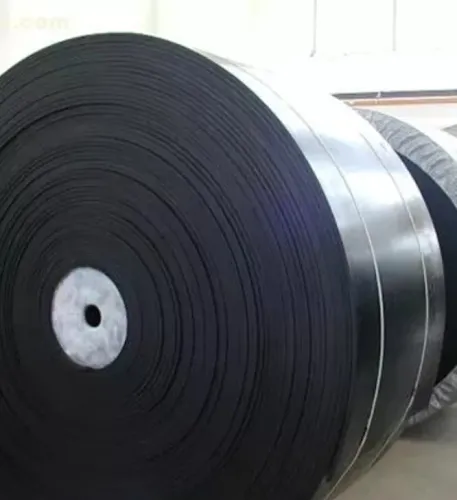
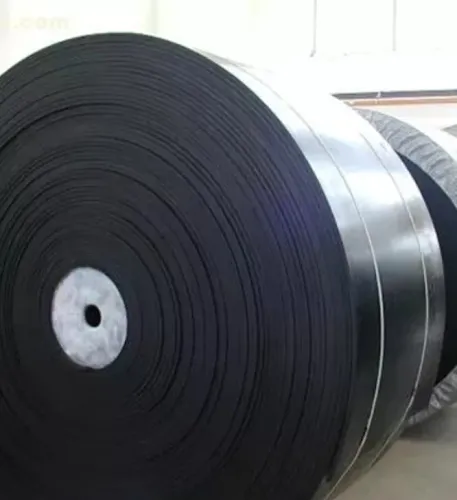
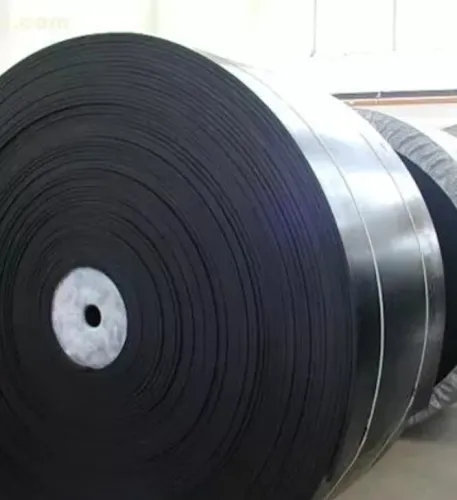
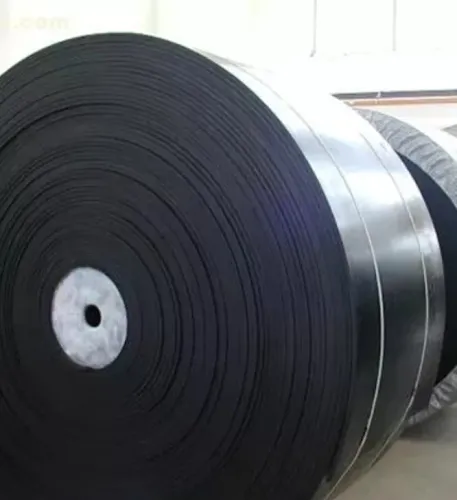
 | Oil Resistant Conveyor Belts Oil Resistant Conveyor Belts are manufactured using oil resistant synthetic rubber. These belts can be customized based on client specifications. View product → |
Compare Delivered Cost, Replacement Risk and Stored Stock
A rubber conveyor belt price in Pune is not a useful benchmark unless every quotation describes the same belt. Normalise width, belt length, ply or cord construction, tensile rating, top and bottom cover thickness, oil-resistant compound, cleats or profiles, endless splicing, testing, freight, GST, and order quantity.
| Quote form | Immediate cost | Added exposure | Compare by |
|---|---|---|---|
| Open belt | Lower purchase figure | Site splicing, transport, curing time and production downtime | Installed cost and joining time |
| Endless belt | Higher purchase figure | Factory lead time and specified splice limits | Delivered cost, splice performance and start-up date |
Compare the price with replacement interval, not metres alone. A cheaper cover can swell, soften, strip or slip in oil, forcing an unplanned shutdown. Include lost production, labour, cleaning and emergency freight in the replacement-risk calculation.
Local stock is useful only after you verify the manufacturing date and storage condition. Reject rolls showing deformation from tight coiling or improper suspension, and confirm protection from direct sunlight, ozone-generating equipment, heat and moisture.
- Quote line: width; length; ply or cord; tensile rating; top/bottom cover thickness; compound designation; cleats/profiles; open or endless; splice and testing; freight; GST; order quantity; manufacturing date; storage condition.
Frequently asked questions
What information should you provide when sourcing an oil-resistant conveyor belt?
Provide the fluid name, concentration, temperature, exposure duration, contact pattern, belt width and length, load, speed, pulley diameters, splice method, and operating environment.
What test evidence should you request for an oil-resistant conveyor belt?
Ask for test results that identify the rubber compound, test fluid, exposure temperature, exposure duration, and measured changes in mass, volume, hardness, tensile strength, and elongation.
How can you check whether a belt fits a Pune processing line?
Match the belt’s width, thickness, length, carcass, cover grade, minimum pulley diameter, troughing needs, splice method, tracking arrangement, and food or hygiene requirements to the existing conveyor.
How should you verify oil-resistant belt availability from Pune suppliers?
Request written confirmation of belt grade, available width and length, production or dispatch lead time, splice capability, stock location, test documents, and replacement-part availability.
How should you compare oil-resistant conveyor belt costs?
Compare the delivered belt price with freight, installation, splicing, downtime, expected replacement frequency, warranty terms, and the carrying cost of keeping a spare belt in storage.