
A single per-metre figure cannot tell you whether an oil-resistant belt is good value. Belt construction, cover compound, joining, freight, taxes and the cost of failures all affect the real purchase decision. By the end, you can prepare a comparable specification, challenge exclusions in quotations and judge when local Pune supply creates a genuine cost benefit.
Key takeaways
- Compare delivered, installed, and replacement costs—not metre price alone.
- Provide the exact liquid, temperature, concentration, and conveyor duty.
- Check carcass, cover thickness, joints, and testing in every quotation.
- Use local support to shorten surveys, installation, and failure response.
Why oil resistant conveyor belt price in Pune has no single answer
An oil resistant conveyor belt price in Pune has no single answer because a metre of belt is not a complete specification. Width, total length, thickness, carcass construction, tensile rating, cover thickness and compound grade can change the material cost before fabrication begins.
Send the manufacturer a purchase brief containing:
- State the belt width, overall length, total thickness, tensile class, cover grade and required order quantity.
- Describe the conveyor duty: material handled, belt speed, load, trough angle, operating temperature, minimum pulley diameters and whether the belt runs continuously or intermittently.
- Identify every liquid contacting the belt. Mineral oil, vegetable oil, animal fat, aromatic solvent, acid and alkali can attack rubber differently; include concentration, temperature and exposure time.
- Specify cleats, profiles, sidewalls, perforations, edge treatment or other custom features. These additions affect tooling, inspection and minimum-order cost.
- Define the joining method: supplied open-ended, mechanically fastened or endless with a hot-vulcanized joint. Ask for the splice procedure and installation requirements.
- Request the compound data sheet, carcass construction, cover thickness, test basis, recommended temperature range and minimum pulley diameters. A catalogue label alone does not prove compatibility.
Ask whether the quotation includes cutting, testing certificates, transport, GST, mechanical fasteners, jointing, installation and commissioning. Normalize every offer to identical specifications and delivery conditions; a lower oil resistant rubber conveyor belt price in Pune can simply exclude an endless splice or use a thinner cover.
Compare Pune quotations on delivered and installed cost
Compare quotations by the amount paid to receive a working belt, not by the metre rate. Ask each of the oil resistant conveyor belt manufacturers in Pune to price identical width, length, overall thickness, tensile class, carcass construction, cover grade, edge finish and delivery condition.
| Quote item | Include in the comparison | Low-price warning |
|---|---|---|
| Transport and taxes | Freight to your site and GST | Excluded charges inflate the final invoice |
| Fabrication | Cutting, profiles, cleats, sidewalls and perforations | A flat belt is not equivalent to a customized belt |
| Joining | Endless hot-vulcanized joint, mechanical fasteners or open ends | An excluded splice can erase the apparent saving |
| Site work | Installation, alignment and commissioning | An uninstalled belt transfers labour and downtime to you |
| Quality evidence | Compound data sheet, test certificates and inspection | A catalogue claim does not prove chemical suitability |
Request the compound grade, cover thickness, test basis, recommended temperature range, minimum pulley diameters and splice procedure. Compare the figures on one worksheet; a thinner cover or lower tensile carcass is not a cheaper equivalent.
Calculate landed and installed cost as belt, transport, GST, fabrication, jointing, site labour, testing and expected downtime. Local supply earns a commercial advantage only when it cuts freight, import-related charges, replenishment time or inspection and jointing travel. Record every exclusion before choosing the lowest oil resistant conveyor belt price in Pune.
When oil resistance pays for itself in service
A higher oil resistant conveyor belt price in Pune pays back when oil is causing the existing belt to swell, soften, elongate, separate at the cover, or lose tracking. Those failures create replacement work and unplanned stoppages; a cheaper general-purpose belt can therefore cost more per operating hour.
| Belt choice | What happens in oily service | Operating consequence |
|---|---|---|
| General-purpose abrasion-resistant cover | Oil attacks the rubber, causing swelling or softening | More mistracking, spillage, repairs and early replacement |
| Oil-resistant cover | The cover retains its shape and grip for the specified exposure | Longer service intervals and steadier conveying |
| Incorrect oil-resistant specification | The cover resists oil, but the carcass, splice or temperature limit fails | Paying for the compound does not prevent belt failure |
Specify these properties separately; “oil resistant” covers only one part of the selection:
- Cover grade and thickness, matched to the actual oil or mixture
- Tensile rating and carcass construction for the loaded span
- Abrasion resistance for sharp, dirty or abrasive material
- Operating temperature range, including hot oil and washdown conditions
- Minimum pulley diameter, because a thick cover or stiff carcass on undersized pulleys accelerates cracking and splice fatigue
- Endless hot-vulcanized splice or mechanical fasteners, with the joint method stated in the quotation
Compare oil resistant conveyor belt price in Pune only after matching these specifications. Otherwise, a lower figure can simply reflect a thinner cover, weaker carcass or excluded jointing work.
Specify the liquid and the conveyor duty, not just chemical service
A belt that carries a drum of mineral oil for ten minutes is facing a different duty from one carrying oil-soaked solids continuously at 80°C. Specify the actual liquid, not “chemical service”: give its chemical name, concentration range, normal and peak temperature, contact frequency, and dwell time on the belt.
Put these details in the enquiry for oil resistant belts for chemical industries:
- Liquid: exact product name, concentration range, and whether it is mineral oil, vegetable oil, animal fat, solvent, acid, or alkali
- Exposure: splash, intermittent contact, continuous wetting, immersion, or oil retained in the conveyed material
- Conveyor duty: belt speed, hours per day, material size, bulk density, and loading method
- Temperature: material temperature, ambient range, cleaning-water temperature, and peak exposure duration
- Cleaning: detergent, solvent, acid, or alkaline cleaner used, including concentration and cleaning frequency
- Mechanical demand: abrasion severity, impact, scraper use, and required cover thickness
Do not treat oil resistance as universal chemical resistance. A compound that resists swelling in mineral oil can soften in an aromatic solvent or degrade in hot alkali. Ask manufacturers for compatibility evidence for your named liquid and temperature, not a catalogue label alone.
Specify abrasion resistance separately. Sharp or gritty solids can cut a belt that remains dimensionally stable in oil, while continuous contact and long dwell time can cause swelling that intermittent exposure never reveals. Include the carcass, splice method, minimum pulley diameter, and recommended temperature range in the final comparison.
Use local Pune capability to reduce risk, not just the quoted price
Request a Pune manufacturer to return a belt-specific quotation, not a single metre rate. For custom oil resistant belts in Pune, give every bidder the same belt width, length, total thickness, tensile class, cover grade, carcass construction, quantity and joint requirement.
Ask oil resistant conveyor belt manufacturers in Pune for:
- A compound data sheet naming the test basis, recommended temperature range and resistance limits for your stated liquid.
- Carcass construction, tensile rating, cover thickness, edge finish and minimum pulley diameters.
- A drawing showing cleats, profiles, sidewalls, perforations or other application-specific modifications.
- The splice procedure, including whether the belt is supplied open-ended, mechanically fastened or hot-vulcanized endless.
- A commercial breakdown showing transport, GST, cutting, testing certificates, fasteners, installation and commissioning.
- Lead time, inspection arrangements, warranty terms and the cost of sending the belt back for jointing or repair.
Elcon Elastomers Pvt Ltd is one Pune supplier you can ask to separate belt fabrication, jointing and site work on the quotation, making comparison easier.
Local supply improves the total commercial result when its savings exceed any price premium: calculate freight, import charges, replenishment time and the cost of transporting belts for inspection or splicing. It is valuable when a replacement is urgent, a failed belt stops production, or site measurement and commissioning reduce installation errors.
Proximity alone proves nothing; compare landed cost plus expected downtime against the delivered, installed price from every bidder.
Related product
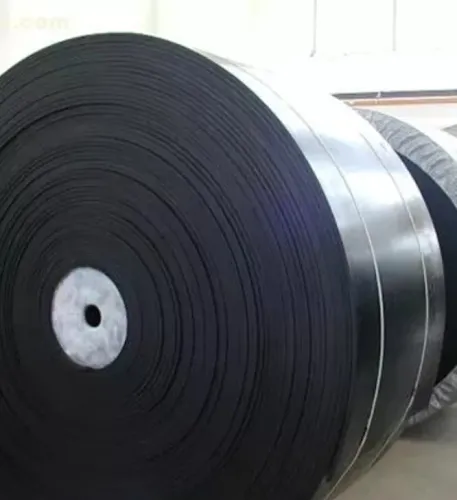
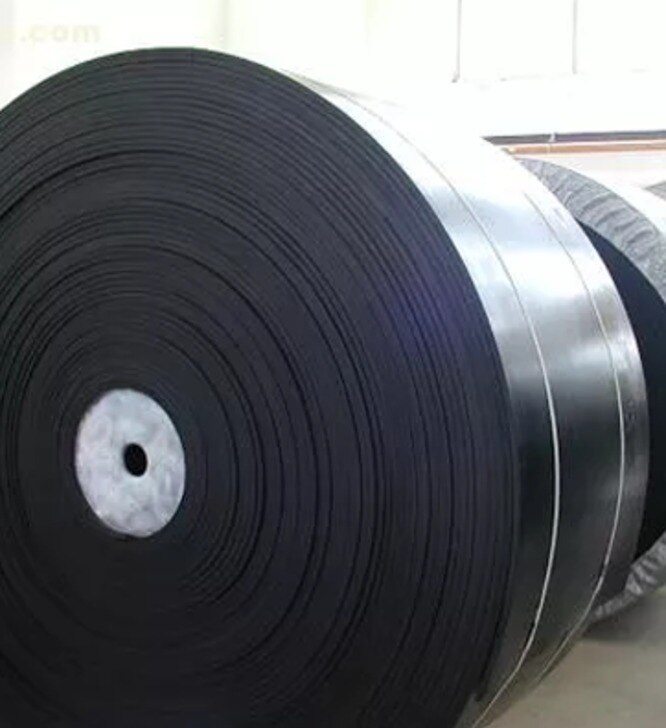
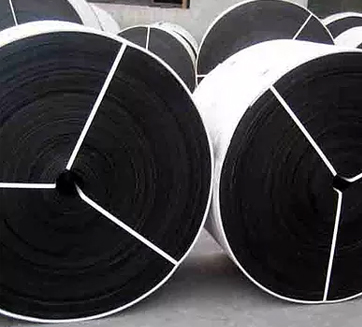 | Oil Resistant Conveyor Belts Oil Resistant Conveyor Belts are manufactured using oil resistant synthetic rubber. These belts can be customized based on client specifications. View product → |
Frequently asked questions
Why does oil resistant conveyor belt price in Pune vary between suppliers?
Width, length, thickness, carcass construction, tensile rating, cover thickness, compound grade, jointing, delivery, and installation all affect the final price.
How should you compare quotations from oil resistant conveyor belt manufacturers in Pune?
Compare the delivered and installed total, then check the belt specification, joint method, warranty terms, testing documents, lead time, and service scope.
When does an oil resistant belt pay for itself?
It pays for itself when exposure to the specified oil or chemical causes ordinary rubber to swell, soften, crack, lose grip, or require frequent replacement.
What information should you provide when ordering oil resistant belts for chemical industries?
Name the liquid, concentration, temperature range, exposure time, material handled, belt speed, trough angle, load, cleaning chemicals, and pulley dimensions.
How can local Pune capability reduce conveyor belt purchasing risk?
A local supplier can inspect the conveyor, confirm dimensions, support jointing and installation, resolve specification gaps sooner, and respond faster during commissioning or failure.