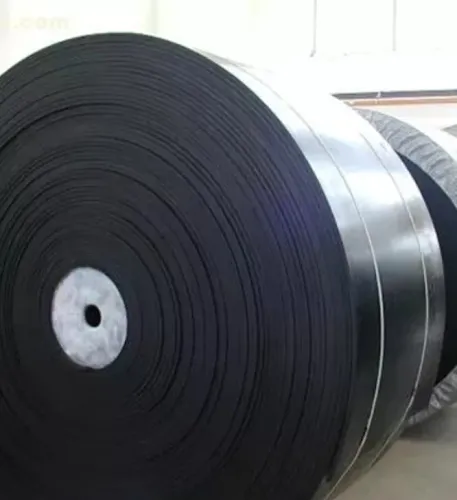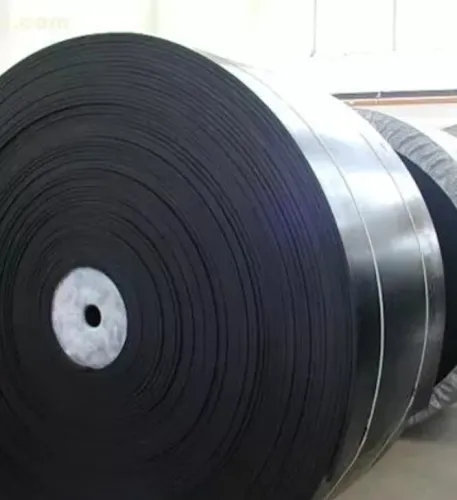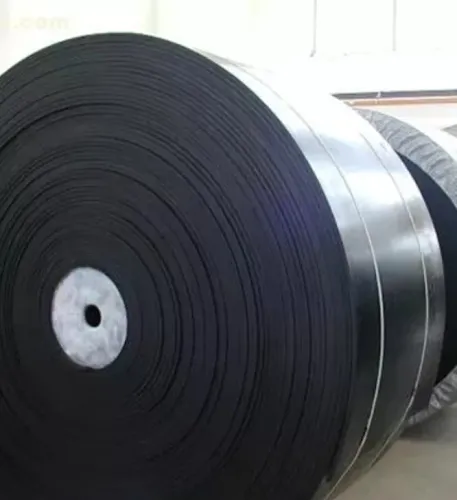

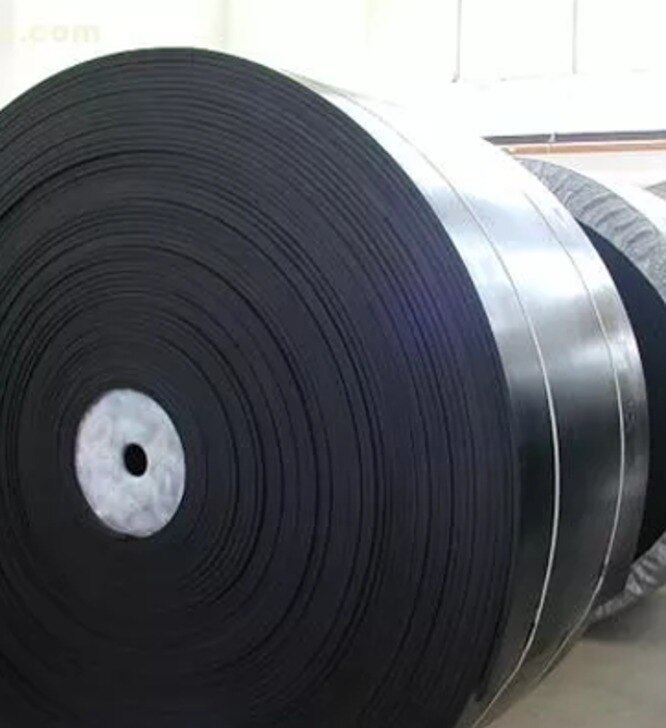
A mining conveyor needs more than an “FR” label: you must match fire-test evidence, antistatic performance, carcass strength, splice design and operating limits to the mine and material. By the end, you will have a practical specification and supplier checklist for comparing belts offered from Pune.
Key takeaways
- Choose fire resistance when ignition risks include friction, coal dust or electrical faults.
- Request flame-test, antistatic and batch documents before approving a supplier.
- Send material, speed, width, tension and conveyor-layout data for accurate belt selection.
- Compare Pune suppliers on test evidence, engineering support, lead time and replacement service.
When does a mine need fire resistance rather than heat resistance?
Choose a fire resistant mining conveyor belt when ignition can arise from coal dust, belt friction, a seized idler, a transfer point, an electrical fault or damaged covers. A general-purpose or heavy-duty belt addresses carrying strength and abrasion, not flame behaviour.
A heat-resistant belt for hot clinker, sinter or heated ore is not automatically suitable for underground coal.
| Property | What it means | Selection implication |
|---|---|---|
| Fire resistance | Limits ignition or flame spread under a named classification, such as ISO 340 | Specify the exact test result and intended mine environment |
| Flame resistance | Resists burning when exposed to an external flame | Check the required approval for underground coal, tunnels or enclosed routes |
| Self-extinguishing behaviour | Stops burning after the ignition source is removed | Confirm the test method, duration and acceptance result; do not assume this from “FR” |
| Heat resistance | Tolerates elevated material or operating temperatures | Select it for clinker or heated ore, but do not treat temperature tolerance as flame protection |
A belt that limits flame spread still needs separate ISO 284 antistatic evidence, abrasion resistance, cover grade and mechanical-strength checks. Review the splice too: fasteners, fabric vulcanized joints and steel-cord splices create different fire and strength risks.
Open-pit conveyors, surface stockyards, crushers, tunnels and underground coal conveyors face different exposure, ventilation and approval rules. Ask the supplier to name the test classification, certificate route and intended operating environment; “fire resistant” alone is an incomplete purchasing description.
Which fire and antistatic documents should a supplier provide?
Before approving a fire resistant mining conveyor belt, require evidence for both flame performance and antistatic control; a catalogue “FR” claim is not approval evidence.
| Document | What it must prove | What it does not prove |
|---|---|---|
| ISO 340 report | Flammability result for the proposed belt construction | Antistatic performance or statutory mine approval |
| ISO 284 report | Electrical-resistance result for the belt | Flame resistance, heat resistance or flame-propagation control |
| Mine approval | Compliance with the mine’s legal and operator requirements | Universal acceptance in another jurisdiction |
Ask for the complete ISO 340 report, not a certificate alone. It must state the tested belt construction, specimen identification, laboratory name, report number, test date and complete result, including the pass or fail outcome. Request the ISO 284 electrical-resistance report separately.
For underground coal service, verify the mine’s statutory approval route instead of relying on a commercial designation. United States buyers should check 30 CFR 75.1108; other jurisdictions use different approval systems.
Require evidence for the proposed splice system. A belt body that passes a laboratory test does not prove that belt edges, mechanical fasteners, splice zones, trapped carryback or damaged covers will remain safe on a conveyor belt for mining applications.
Check these procurement details:
- Certificate validity and issuing authority
- Traceability from the report to the supplied batch
- Tested belt construction and proposed splice method
- Final inspection certificate and batch identification
What technical specification should you send to a mining belt supplier?
Send the mining belt supplier a duty sheet, not a width alone. “1200 mm fire-resistant belt” omits the strength, construction and operating conditions that determine whether the belt survives.
- Carcass: EP fabric or steel cord
- Nominal tensile rating: N/mm
- Ply count; for example, EP630/4 means a nominal 630 N/mm, four-ply polyester/nylon belt
- Cover grade, with top and bottom cover thicknesses in millimetres
- Breaker layers, if required
- Belt width and permissible belt length
- Material lump size, bulk density, abrasiveness, moisture and impact at loading
- Conveyor length, belt speed, trough angle, load rate and maximum incline
- Recommended minimum pulley diameters and transition length
- Operating and ambient temperature limits
- Start-up tension and allowable working tension
State the material and layout precisely. A sharp, wet, high-impact run-of-mine load demands different cover protection from dry, fine coal, while pulley diameter and transition geometry can cause carcass fatigue or cover cracking despite a compliant fire test.
Require the supplier to name the splice method: mechanical fastener, hot-vulcanized fabric splice or steel-cord splice. The offer must explain each method’s effect on belt strength, flexing, maintenance and fire performance; nominal breaking strength alone is insufficient.
Give this complete specification to any mining belt supplier in Pune when sourcing a conveyor belt for mining applications.
How do mine material and conveyor layout affect belt selection?
The load and route decide whether a conveyor belt for mining applications will survive, not the fire label alone. Compare the duty before choosing a fire resistant mining conveyor belt.
| Material | Lump size and density | Sharpness, abrasiveness and moisture | Impact energy |
|---|---|---|---|
| Coal | Small to large lumps; low to medium density | Moderate abrasion; dust and wet carryback | Medium, rising at crusher or transfer loading |
| Ore | Often large, dense lumps | Sharp, highly abrasive; moisture varies | High because of mass and drop height |
| Overburden | Mixed, oversized lumps; dense | Angular, abrasive and frequently wet | High and irregular |
| Aggregate | Graded crushed stone; medium to high density | Sharp, abrasive; dry or wet | Medium to high at feed points |
A sharp run-of-mine load can cut or gouge the cover even when the belt passes ISO 340. Wet carryback keeps abrasive fines against the belt, while chute misalignment directs material into one edge. Transfer-point impact then creates cuts, delamination and splice stress.
Steel-cord belts suit long, high-tension routes, but require controlled cord splicing, accurate alignment and cord-damage inspection. EP fabric belts simplify handling and splicing, yet have different permissible tension and elongation limits.
Check every pulley diameter against the supplier’s recommendation, actual belt tension and splice type. Also specify skirting, impact bars, pulley lagging, seals and chute liners for the material and temperature. A fire-resistant belt does not make those rubber components fire resistant or antistatic.
How should you compare fire-resistant belt suppliers in Pune?
A useful comparison starts with evidence, not the label “FR.” For a conveyor belt for mining applications, fire-resistant supplier in Pune, ask every mining belt supplier in Pune to identify these parties and locations:
- Base-belt manufacturer
- Belt origin and fabrication location
- Final testing party
- Party responsible for the certificate
- Local work performed: cutting, skiving, hole punching, vulcanizing or endless-loop assembly
Manufacture and fabrication are not the same. A Pune workshop can cut and splice a belt made elsewhere, so the offer must reveal who made the belt body and who assembled the finished loop.
| Supplier evidence | Acceptable detail | Red flag |
|---|---|---|
| Data sheet | Carcass, tensile class, cover thickness and grade, ISO 340 and ISO 284 results | “FR belt” with no test result |
| Commercial offer | Same construction, pulley limits, temperature limits and splice instructions | Catalogue data that differs from the quoted belt |
| Quality file | Inspection certificates, batch or roll traceability and certificate responsibility | Certificate cannot be linked to supplied material |
Request one matching data sheet and offer. Confirm that ISO 340 covers flammability and ISO 284 covers electrical resistance; neither result replaces the other.
Rubber products manufacturers in Pune may also supply skirting, lagging, impact bars, seals or chute liners. Specify each component’s material, temperature range and fire performance separately; a fire-resistant belt does not qualify adjacent rubber parts.
Include Elcon Elastomers Pvt Ltd in the comparison, but approve it only after verifying these documents, test responsibilities and fabrication capabilities.
Related product
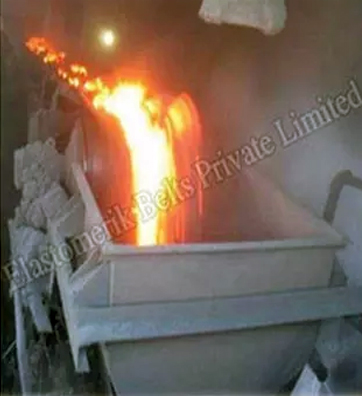 | Fire Resistant Conveyor Belts We hold expertise in offering Fire Resistant Conveyor Belts that are manufactured using the latest technology and provide optimum performance. View product → |
Frequently asked questions
When does a mine need fire resistance rather than heat resistance?
Use a fire-resistant mining conveyor belt when ignition can result from coal dust, belt friction, seized idlers, transfer points, electrical faults or damaged covers. Heat resistance addresses elevated material or ambient temperatures; it does not replace flame resistance.
Which fire and antistatic documents should a supplier provide?
Ask for the belt’s flame-resistance test report, antistatic test result, applicable standard and test method, product datasheet, batch or lot number, and certificate of conformity. Match the documents to the mine’s statutory and site requirements.
What technical specification should you send to a mining belt supplier?
Provide belt width, length, carcass construction, tensile rating, cover thickness, material type, lump size, bulk density, throughput, belt speed, incline, pulley diameters, take-up arrangement and operating temperature.
How do mine material and conveyor layout affect belt selection?
Coal, ore, rock and fines create different abrasion, impact and loading demands. Conveyor length, incline, loading-point design, pulley diameter, trough angle, speed and take-up tension determine the belt’s carcass, cover grade and splice requirements.
How should you compare fire-resistant belt suppliers in Pune?
Compare documented fire and antistatic performance, technical recommendations, inspection records, splice support, delivery capability, warranty terms and replacement assistance. A mining belt supplier in Pune should also review your conveyor data before quoting.