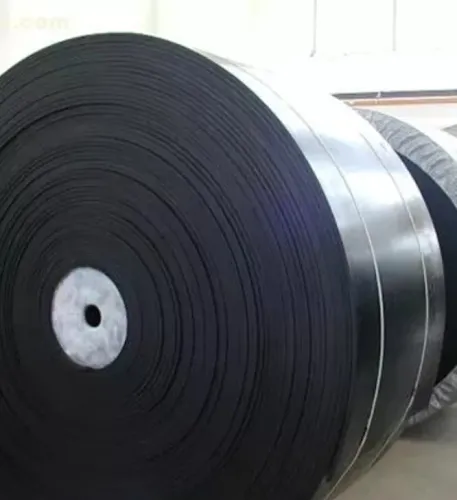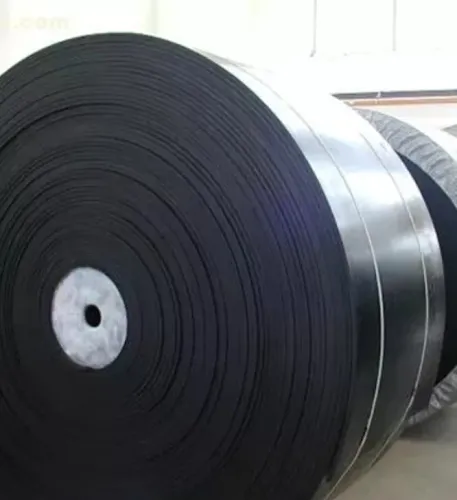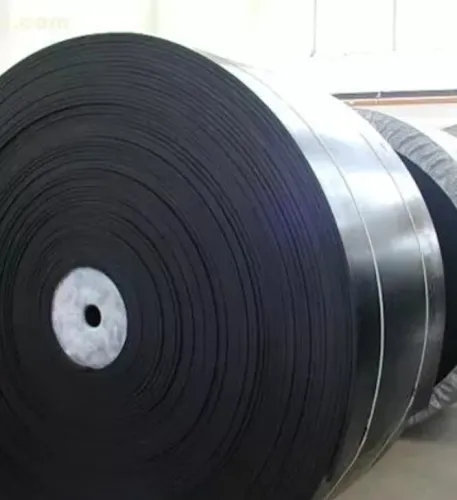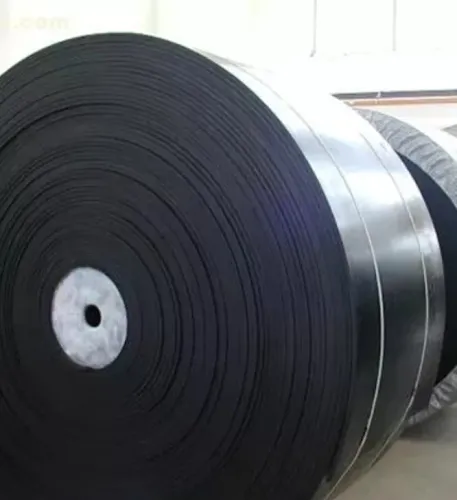


A conveyor belt that wanders, sheds cover material, or develops splice damage is often reporting a problem elsewhere in the system. By following a fixed inspection routine, cleaning without overworking the belt, and checking loading, tension, pulleys, and idlers before replacement, you can extend belt life and identify failures earlier.
Key takeaways
- Inspect belt edges, covers, splices, loading, guards, and pull cords each shift.
- Remove carryback with suitable cleaning methods instead of cutting the belt cover.
- Treat mistracking as evidence of alignment, loading, or component problems.
- Specify belt construction and installation for the conveyor’s actual duty and environment.
Build a Shift, Weekly, and Shutdown Inspection Routine
At every shift change, inspect the belt before production starts and watch it during its first loaded run. General purpose conveyor belt care begins with belt wander, edge fraying, longitudinal cuts, cover peeling, cracks, exposed fabric, splice separation, unusual noise, and carryback. Check loading remains centred and confirm guards and emergency pull cords are intact.
1. Start of each shift: Walk the accessible length without touching moving parts. Look for material trapped at the tail pulley, wet carryback, belt rubbing, and seized or noisy idlers. Stop and isolate the conveyor if you find exposed reinforcement, a loose splice, or a damaged guard.
2. Each week: Lock out the conveyor, release stored energy, and inspect pulleys, idlers, scrapers, skirting, take-up movement, and belt tension. Remove buildup that could cause mistracking, check drainage around transfer points, and look for corrosion or moisture near bearings, electrical equipment, and take-up assemblies.
3. At each planned shutdown: Inspect the full belt, pulley lagging, splice, frame, return path, and take-up. Measure or record recurring edge damage, cover wear, and splice condition, then photograph defects with their location and date. Verify tracking after restart, first empty and then loaded.
Do not correct mistracking by tightening one side until the belt looks centred; that can hide off-centre loading, buildup, misalignment, or uneven tension while damaging the edge. Escalate oil attack, hot-material damage, or chemical deterioration for a cover-grade review, because a general-purpose belt is not suitable for every duty.
Remove Carryback Without Cutting the Belt Cover
Good general purpose conveyor belt care starts with isolation: stop the conveyor, lock out the drive, and release stored tension before touching carryback or a scraper. Cleaning a moving belt invites hand injuries and can pull loose clothing into nip points.
Use this sequence for dry and wet deposits:
- Remove loose dust and abrasive particles with a soft nylon brush or industrial vacuum. Do not use a wire brush, knife, or grinder; each can score the cover and expose fabric.
- Set the primary and secondary scrapers to clean contact, not heavy pressure. A gouged, hot belt indicates excessive pressure; remaining carryback indicates insufficient contact or a worn blade.
- Collect oil and grease with absorbent pads, then use the belt manufacturer’s approved neutral detergent. Do not spread petroleum residue with a dry rag or apply unapproved solvents.
- Wash moisture and mud with low-pressure clean water and detergent. Keep jets away from the splice, pulley bearings, take-up, motors, sensors, and electrical boxes.
- Remove buildup from return idlers, snub pulleys, and discharge chutes after isolation. Check that drains around transfer points carry water away instead of leaving wet carryback on the return run.
Dry the belt, splice, and metalwork before restarting. Inspect for softened rubber, cover swelling, edge cuts, exposed fabric, or splice lifting; oil-compatible cleaning will not rescue a belt with the wrong cover compound. In Pune’s humid or washdown areas, check seized idlers and corrosion after every wet cleaning.
Treat Mistracking as Evidence of a Root Cause
A belt that wanders only under load points first to loading, not automatically to belt damage. During general purpose conveyor belt care, compare its path empty and loaded, then locate whether the fault follows the belt or remains at one conveyor component.
- Off-centre loading pushes the belt toward one side only while material is flowing; correct the chute before adjusting trackers.
- A bent frame, skewed pulley, or misaligned idler makes the belt drift at the same conveyor location on every revolution.
- Material packed on a pulley or idler creates a changing high spot; clean it and check for a seized roller before increasing tension.
- Uneven take-up tension pulls one edge harder than the other. Tightening one side can hide the cause, fray the edge, and overload the splice.
- A scraper set too hard leaves a continuous wear line, heat marks, or cover gouging; a loose scraper leaves carryback on return idlers and pulleys.
- Tight or uneven skirting creates edge abrasion and may force the loaded belt sideways. Look for polished rubber along the skirt contact line.
- Belt damage travels with the belt: inspect for a bent edge, longitudinal cut, exposed fabric, cover separation, or a splice that lifts at one point.
Isolate, lock out, and release stored energy before touching the belt, pulleys, idlers, scrapers, or take-up. Emergency-stop cords and guards do not replace isolation.
Record tracking with the conveyor empty and loaded, correct the root cause, then retest; do not use extra tension to cure belt slip caused by wet pulleys, contamination, inadequate wrap, overload, or incorrect take-up travel.
Specify and Install the Belt for the Actual Duty
Give an industrial conveyor belt supplier the duty, not just the belt width and strength. State the conveyed material, maximum lump size, tonnes per hour, belt speed, loading method, incline, operating hours, ambient temperature, moisture, oil, grease, chemicals, dust, and any hot or abrasive material.
Include existing pulley diameters, trough angle, take-up type, belt length, splice access, and available shutdown time.
Ask for these decisions in writing:
- Cover grade and its temperature, oil, chemical, abrasion, ozone, and fire-resistance limits
- Belt construction, carcass strength, thickness, and minimum pulley diameter
- Recommended splice method, splice materials, and installation tolerances
- Loading-zone arrangement, skirt contact, cleaner compatibility, and replacement lead time
Compare conveyor belt companies in Pune on evidence, not price per metre.
| Item | Supplier proposal | Installation handover check |
|---|---|---|
| Belt and cover | Construction, grade, limits, pulley compatibility | Width, direction, edges, and cover free from handling damage |
| Pulley and frame | Alignment tolerances and take-up setting | Alignment measured; take-up set; guards and nip points secured |
| Splice | Method, cure or fastening details, inspection criteria | Splice inspected, recorded, and free from lifting or gaps |
| Commissioning | Empty and loaded tracking procedure | Belt tracks at operating speed under both conditions |
Conveyor belt installation services must pull the roll with approved equipment; never use a forklift, drop the roll, or drag it across a sharp frame. Lock out before adjustment. Record belt identification, splice details, alignment readings, tension setting, photographs, and acceptance signatures.
Elcon Elastomers Pvt Ltd can document these choices when the belt is selected for the actual duty rather than a catalogue label.
Related product
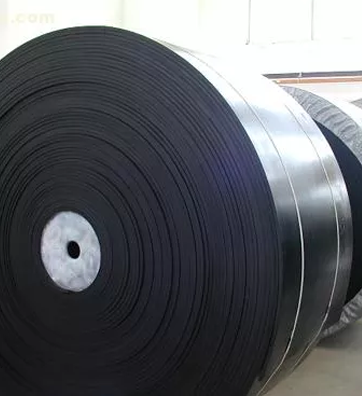 | General Purpose Conveyor Belts General Purpose Conveyor Belts General purpose belts we provide are precisely fabricated by our trained professionals using finest quality materials and sophisticated techniques. View product → |
Adapt Maintenance to Pune’s Humidity, Dust, and Washdown
Monsoon maintenance must add checks that dry-season routines miss. Inspect wet carryback, standing water at transfer points, corroded or seized idler bearings, and moisture inside electrical boxes, take-up areas, and guards. Clear blocked drains before washdown water reaches the structure or splice.
At each seasonal change, verify these conditions:
- Keep drainage channels open and confirm water leaves the transfer point without pooling.
- Check idlers by hand only after isolation; report rough rotation, noise, or seized bearings.
- Inspect the belt underside and splice for trapped moisture, swelling, separation, or exposed fabric.
- Record washdown dates, abnormal findings, corrective work, and photographs with the belt’s identification and operating hours.
Before cleaning, tracking work, or inspection, isolate and lock out the conveyor, then verify that stored energy has been released. An emergency-stop cord and guarding do not make a moving belt safe to service.
Store replacement rolls on supported cradles, protected from sunlight, heat, moisture, oil, solvents, and ozone-producing electrical equipment. Do not leave a roll standing on one edge or handle it with equipment that crushes the edges.
Replace the belt when damage reaches the carcass, a splice repeatedly separates after correction, or cover loss exposes reinforcement. When comparing conveyor belt companies in Pune, compare cover grade, construction, splice method, pulley-diameter compatibility, installation tolerances, inspection records, and replacement lead time—not price per metre alone.
Ask for handover records showing alignment, take-up setting, controlled pulling, splice inspection, and tracking under empty and loaded conditions.
Frequently asked questions
How often should you inspect a general purpose conveyor belt?
Inspect it at every shift change, watch its first loaded run, complete weekly checks, and perform a detailed inspection during shutdowns.
How can you remove carryback without damaging the belt?
Use a suitable belt-cleaning arrangement and remove buildup without cutting into the belt cover or exposed fabric.
What does conveyor belt mistracking indicate?
Mistracking points to a root cause such as off-centre loading, alignment problems, damaged components, or an installation issue.
How should you specify a conveyor belt for actual duty?
Match the belt to the material, load, speed, incline, temperature, impact, cover wear, splice method, and conveyor dimensions.
What conditions matter when maintaining conveyors in Pune?
Account for humidity, airborne dust, and washdown because they affect carryback, belt surfaces, components, tracking, and inspection frequency.