
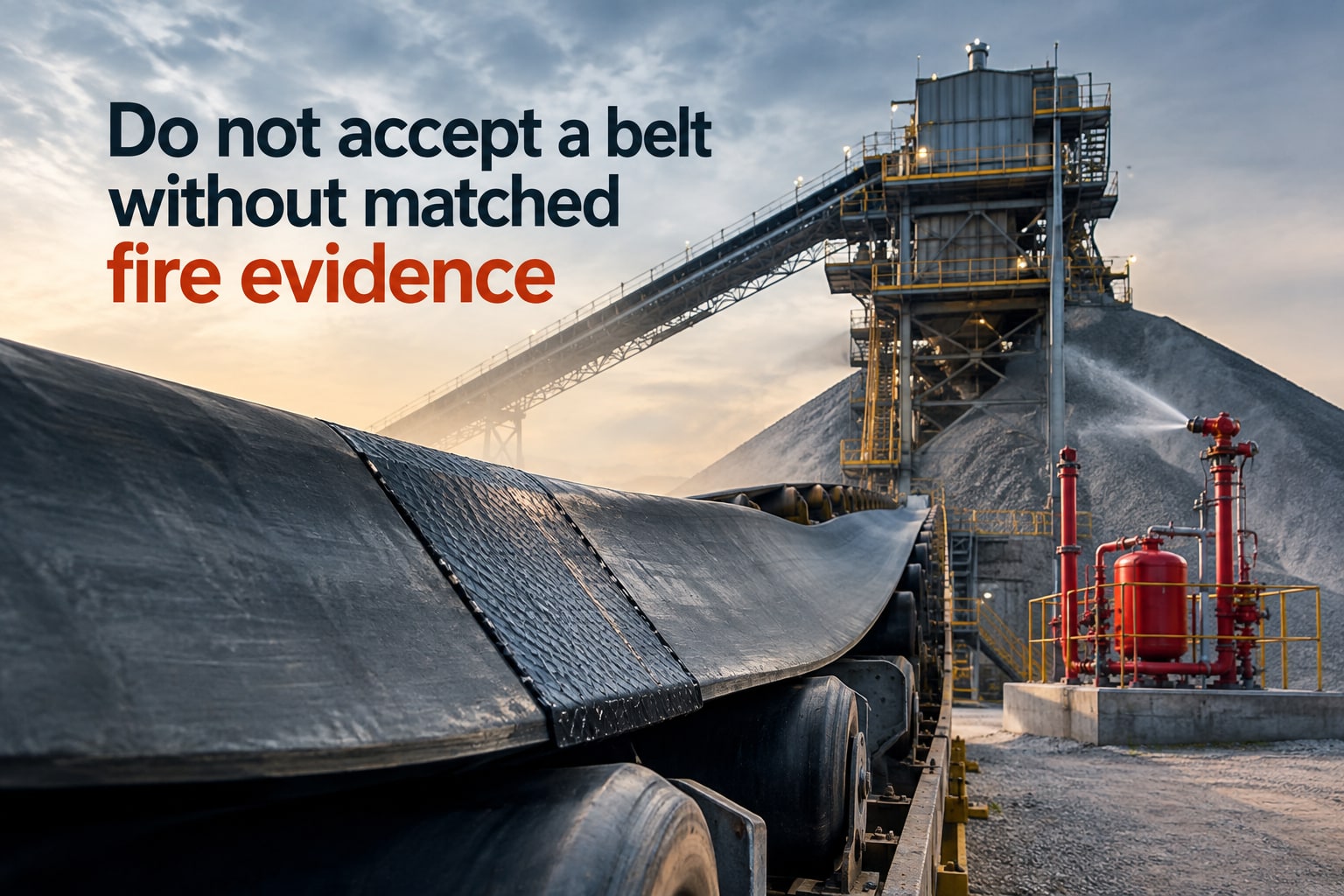
A belt described as fire resistant is not automatically suitable for hot clinker, coal dust, or an emergency replacement. You will be able to identify the required fire, heat, antistatic, strength and dimensional specifications, then verify whether a Pune supplier has the exact belt and qualified jointing support available.
Key takeaways
- Separate fire resistance from heat resistance when defining the conveyor hazard.
- Specify material temperature, fire exposure, belt construction, and route conditions.
- Request test reports that identify the exact supplied belt and production batch.
- Confirm Pune stock, delivery timing, emergency jointing, and splice protection before acceptance.
Fire resistance and heat resistance solve different plant risks
Coal and petcoke conveyors need fire resistance because combustible dust, smouldering carryback, sparks, belt slip and seized idlers can spread a fire along the route. Hot clinker and kiln-discharge conveyors need heat resistance because the belt must survive sustained surface and material temperatures. Some routes need both.
| Route | Primary risk | Belt requirement |
|---|---|---|
| Coal or petcoke yard conveyors | Flame spread and static ignition | Fire-resistant belt tested to ISO 340; antistatic performance to ISO 284 |
| Transfer towers, galleries and enclosed conveyors | Burning dust, sparks, overheated bearings and restricted evacuation | Fire resistance, antistatic control and plant fire protection |
| Boiler-feed and bunker conveyors | Combustible fuel, belt slip and smouldering carryback | Fire resistance plus ISO 284 electrical conductivity |
| Clinker, hot cement and kiln-related routes | Hot material and radiant heat | Heat-resistant compound and construction |
| A route carrying hot, combustible material | Fire plus thermal degradation | Both fire resistance and heat resistance |
Do not treat “fire resistant” as fireproof: ISO 340 addresses flame retardancy under a defined test, not every plant-fire condition. For a conveyor belt for cement plants, separate the material temperature, running belt temperature and short-duration peak before choosing the heat grade; a belt that survives a brief peak can still harden under continuous heat.
Fire-resistant belting does not replace pull-cord stops, belt-drift and zero-speed switches, detection, suppression, housekeeping or carryback control. During an urgent replacement, check pulley diameter, take-up travel, cleaners, skirt seals and splice equipment before accepting a nominally superior belt that cannot be jointed safely.
Specify the hazards and belt construction before requesting availability
A belt rated only for flame retardancy can still fail over hot clinker: flames may be controlled while the cover hardens, cracks or loses adhesion. For a conveyor belt for cement plants, record material temperature, belt-running temperature after contact and short-duration peaks at discharge or during a kiln upset.
Select the heat-resistant compound and construction for the highest exposure, not the average reading.
1. Identify the hazard: burning coal or petcoke dust, smouldering carryback, sparks, seized idlers, belt slip, misalignment or overheated bearings. State whether the belt needs flame retardancy under ISO 340; “fire resistant” does not mean fireproof.
2. Specify static control separately. Coal and petcoke conveyors may need electrical conductivity under ISO 284 as well as ISO 340 performance. An “FR” label alone proves neither the required construction nor antistatic compliance.
3. Give the belt construction: width, tensile rating, carcass type, cover thickness, belt length, pulley diameters and jointing method. The same width can be available in one tensile class and unavailable in another.
4. State the operating conditions: belt speed, load, incline, enclosed or open route, transfer points and continuous or intermittent duty. Include whether the route passes through a bunker, gallery, transfer tower or dust-prone area.
Ask for availability against that complete designation, not against “FR belt.” In power plants, confirm that belt selection fits the wider protection system: pull-cord stops, belt-drift and zero-speed switches, detection, suppression, housekeeping and carryback control still matter.
Demand test evidence tied to the supplied belt
A catalogue claim is not demand evidence. Ask each industrial conveyor belt supplier in Pune for documents carrying the supplied belt’s roll or batch number, construction, grade and test date; reject reports identified only by a product family.
| Document to compare | What the evidence must show | Record to match against the delivered belt |
|---|---|---|
| ISO 340 fire test | Flame duration, re-ignition result and test method for the stated belt construction | Certificate of conformity, report number and roll or batch identification |
| EN 12882 classification | Declared safety classification based on the belt’s fire behaviour | Technical datasheet and purchase specification |
| ISO 284 antistatic test | Electrical resistance result and the belt grade tested | Batch certificate and measured value |
| ISO 4195-1 heat-resistance test | Temperature category, test conditions and retention of properties | Test report, cover compound and stated continuous temperature |
| Dimensional and strength inspection | Width, cover thickness, tensile rating, carcass type and belt length | Factory inspection sheet, delivery measurement and serial or roll number |
| Splice limitations | Approved joint geometry, rubber compatibility, curing temperature and pressure | Manufacturer’s jointing instruction and installer record |
Compare the actual values, not just “fire resistant” or T1, T2 and T3 labels; those labels are not interchangeable across manufacturers. Also check that the invoice entity, certificate issuer and belt markings identify the same manufacturer. A generic ISO certificate cannot prove that the roll delivered to your plant passed the claimed test.
Verify actual Pune stock, lead time and emergency jointing support
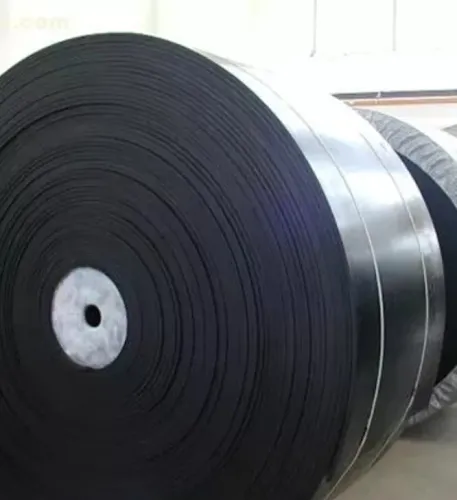
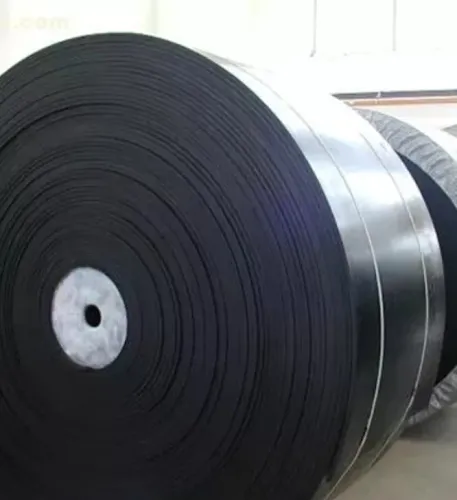
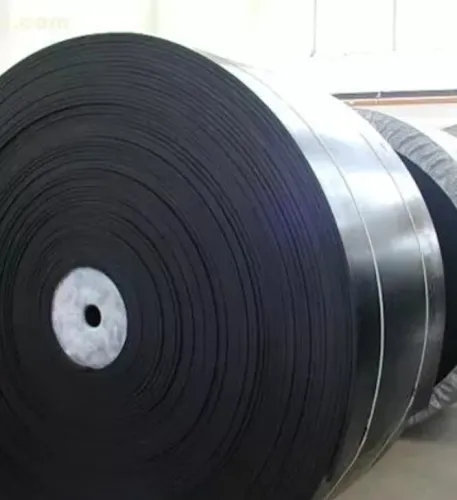
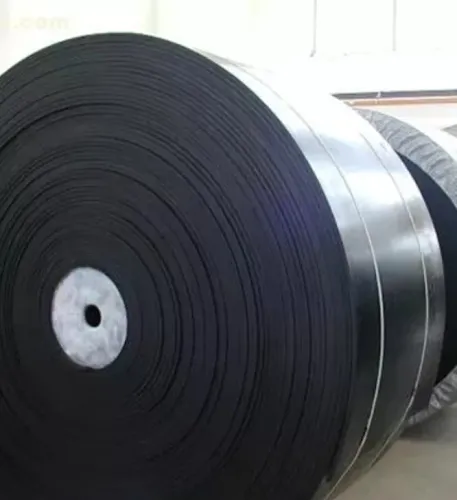
Treat fire resistant conveyor belt availability in Pune as a specification-and-service check, not a search-result claim. Send the supplier your belt width, tensile rating, carcass type, cover thickness, belt length, jointing method, pulley diameters and material temperature, then ask them to confirm the same fire, antistatic, heat and dimensional requirements in writing.
Request these proofs before approving the replacement:
- A current stock photograph or live video showing the belt roll, its width, length, belt markings and batch number
- A warehouse address in or near Pune, with the invoice entity matching the company quoting the belt
- The technical datasheet and certificate of conformity for that exact batch, not a generic product brochure
- A dispatch date, transport plan to your plant and the quantity available without slitting or fresh manufacture
- Names of technicians qualified for hot-vulcanised jointing, plus their emergency service radius and response time
Search results for conveyor belt companies in Pune do not prove physical stock. A supplier holding the wrong tensile class or cover thickness cannot provide an exact replacement, even if the nominal width matches.
For an outage, compare the usable arrival-to-commissioning time rather than belt quality alone. Check pulley diameters, take-up travel, cleaners, skirt seals and existing splice equipment before accepting a substitute; a superior belt that cannot be jointed promptly can extend the shutdown.
Elcon Elastomers Pvt Ltd can be included in the comparison only after it confirms these stock, traceability and emergency jointing details for your specific belt.
Related product
 | Fire Resistant Conveyor Belts We hold expertise in offering Fire Resistant Conveyor Belts that are manufactured using the latest technology and provide optimum performance. View product → |
Check the splice and fire-protection system before accepting the belt
Before you accept the replacement, prove that the splice, belt tracking and fire-protection controls work together under load. A flame-resistant belt can still fail at a poorly cured joint or continue feeding a fire if detection and shutdown devices are absent.
1. Match the splice to the supplied belt’s carcass, rubber compound and thickness. Confirm the approved joint geometry, splice kit, curing temperature, curing pressure and cure time in the job record. Do not accept a joint made with an unverified adhesive or incompatible cover rubber.
2. Inspect the finished splice for uneven edges, exposed fabric, bubbles, scorch marks, open cords and incomplete bonding. Record belt identification, batch number, splice date, technician, cure readings and photographs. Run the belt empty, then loaded, and check tracking, edge contact, take-up travel, pulley clearance and cleaner interference.
3. Test every belt-drift switch, pull-cord emergency stop, zero-speed switch and interlock before commissioning. Verify that the alarm reaches the control room and that the conveyor stops from each test point.
4. Confirm that flame or smoke detection, water spray or other suppression equipment covers transfer points, galleries and enclosed sections. Remove coal dust, petcoke, carryback and spilled material around idlers, drives and hot bearings.
Use an industrial conveyor belt supplier in Pune that can provide qualified hot-vulcanising support at the plant. For an urgent change, prompt, documented jointing and commissioning are more valuable than a belt that only exists on a stock list.
Frequently asked questions
Are fire-resistant and heat-resistant conveyor belts the same?
No. Fire resistance addresses ignition and flame spread from combustible dust, sparks, belt slip, and seized idlers. Heat resistance addresses damage from sustained hot material or belt surfaces. Coal and petcoke routes need fire protection; clinker and kiln-discharge routes need heat protection; some conveyors need both.
What information should you provide when requesting belt availability?
Provide the conveyed material, material temperature, belt surface temperature, fire hazards, belt width and length, tensile rating, cover grade, splice method, conveyor speed, and route conditions. State whether the conveyor handles coal, petcoke, clinker, or another material.
What test evidence should you request for a fire-resistant conveyor belt?
Request a test report that names the belt construction, cover grade, applicable fire-resistance test, test result, manufacturer, production date or batch number, and the supplied belt's identification. Do not rely on an undated certificate that cannot be matched to the delivery.
How do you verify fire resistant conveyor belt availability in Pune?
Ask the supplier to confirm the exact belt specification held in Pune, available quantity, dispatch date, replenishment lead time, transport plan, and emergency jointing support. Confirm that technicians and approved splice materials are available for your belt construction.
What must you inspect before accepting the belt?
Check the belt identification, width, tensile rating, cover grade, roll condition, batch details, test documents, and visible damage. Inspect the splice design and fire-protection system, including belt-slip detection, blocked-chute protection, temperature monitoring, pull-cord switches, and accessible extinguishing arrangements.