
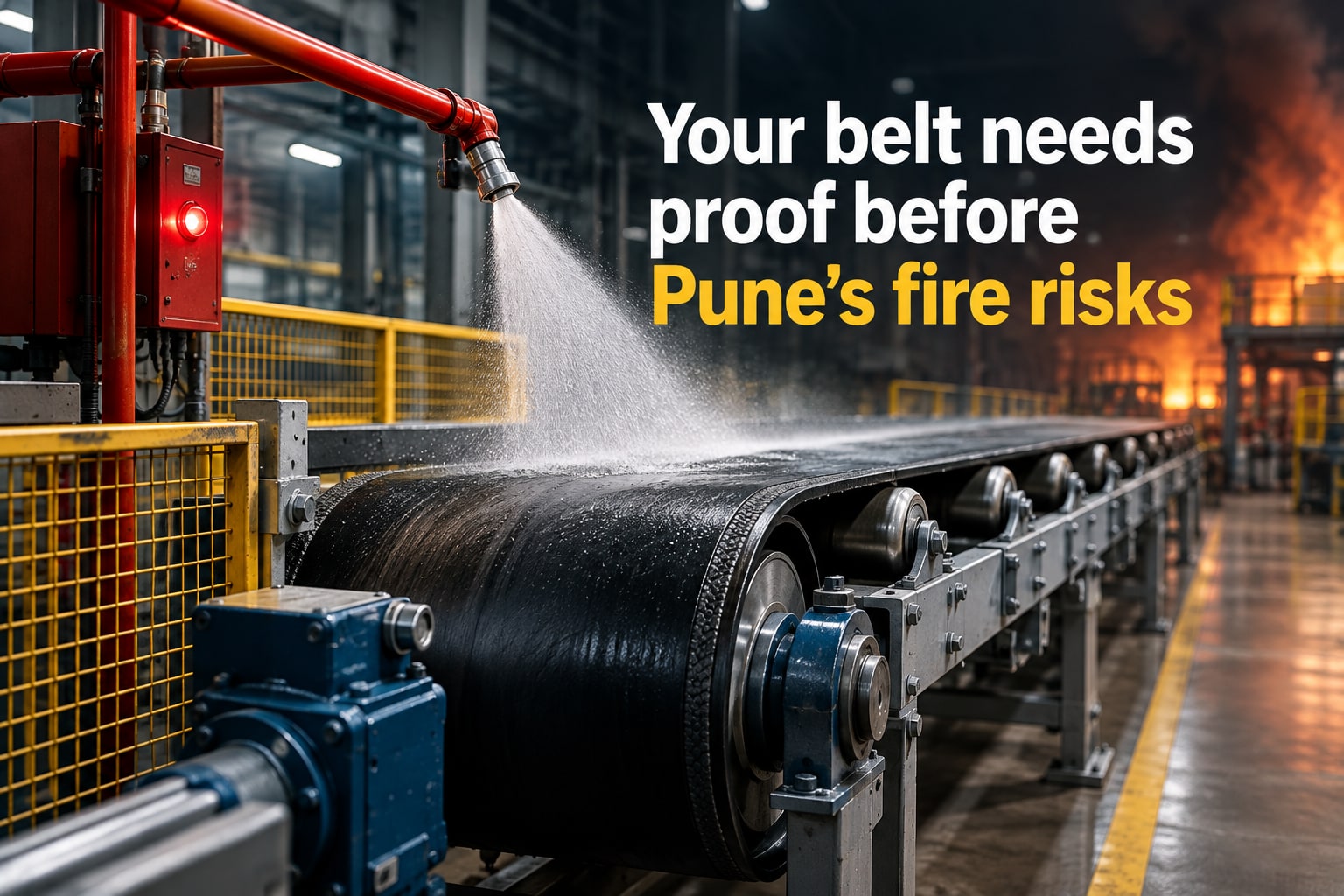
A belt described as fire resistant is not automatically suitable for hot material, combustible dust, oil contamination, or a full-length conveyor fire. You will be able to identify the actual hazard, request evidence such as ISO 340 and ISO 284 test results, verify compatibility with your conveyor, and compare Pune suppliers on technical support rather than delivery claims alone.
Key takeaways
- Separate flame risk from heat, contamination, and mechanical damage.
- Specify operating temperature, exposure duration, belt construction, and test evidence.
- Inspect pulleys, scrapers, splices, and fire controls before approving replacement.
- Compare Pune suppliers on documentation, site support, and commissioning capability.
Identify the fire hazard before choosing the belt construction
Decide whether the hazard is flame, heat, contamination, or mechanical damage before ordering a fire resistant conveyor belt in Pune. Fire resistance limits flame persistence and spread after ignition; heat resistance handles continuous material temperature, peak temperature, exposure duration, and contact pattern under ISO 4195.
A heat-resistant belt is not automatically suitable for external flame, smouldering carryback, sparks, frictional heating, combustible dust, or a burning load.
Describe the ignition source, not a generic “fireproof belt.” Review coal, biomass, solvents, metal sparks, hot clinker, wet ash, sharp rock, and oil-contaminated material separately. Request the belt construction, cover compound, carcass, and evidence for the dominant failure mode.
- Choose fire resistance for credible flame exposure or combustible material.
- Choose heat resistance for defined hot-material duty under ISO 4195.
- Choose another construction when oil swelling, cutting, impact, cold, or food contact governs service life.
- Change the hazard control when dust extraction, guarding, shutdown logic, spark isolation, or suppression addresses the risk better than a costlier belt.
| Option | What it addresses | Key trade-off |
|---|---|---|
| Fire-resistant | Flame persistence and spread after ignition | Adds cost without solving hot-material, abrasion, or dust-explosion risks |
| General-purpose | Ordinary ambient conveying | Unsuitable for credible flame, high heat, oil, or severe cutting |
| Heat-resistant | Continuous or peak hot-material exposure | Does not prove flame resistance |
| Oil-resistant | Oil-contaminated material and swelling control | May sacrifice flexibility or abrasion performance |
| Food-grade | Hygienic material contact | Does not provide fire, heat, or heavy-impact protection |
Treat fire resistance, abrasion, oil resistance, flexibility, low-temperature performance, pulley flexibility, and service life as separate properties. An “FR” label cannot replace construction-specific testing.
Specify the belt and demand the right test evidence
Put the exact fire-test requirement in the request for quotation: ISO 340, or a customer-specified equivalent. Reject a certificate that says only “FR,” “fireproof,” or “flame retardant” without naming the standard, test result, belt construction, cover formulation, and certificate scope.
ISO 340 is a laboratory flammability test on belt specimens; it does not recreate a blocked chute, seized pulley, burning load, or full-length conveyor fire.
1. State the belt construction: width and length, tensile rating, carcass type, number of plies or steel cords, cover grades and thicknesses, belt speed, load per hour, material size and density, trough angle, incline, transfer points, pulley diameters, take-up arrangement, ambient and material temperatures, and oil or chemical exposure.
2. Separate electrical conductivity from flame resistance. Request ISO 284 evidence, including the measured resistance and method; the commonly used limit is 3.0 × 10^8 ohms at 500 V. “Antistatic” or “conductive” wording is not proof of ISO 340 performance.
3. Put acceptance terms in the purchase order: fire and antistatic tests, splice method, operating limits, inspection criteria, roll and compound-batch traceability, belt identification, manufacturing date, storage limits, delivery condition, and acceptance procedure. Reject certificates covering only a product family when they do not identify the supplied construction and batch.
An industrial conveyor belt supplier in Pune should also provide a construction drawing and installation guidance. Local availability cannot replace evidence that the proposed belt matches your conveyor and hazard.
Check the existing conveyor before approving a replacement
A belt that matches the width can still fail on the existing conveyor. Measure the installed belt width and closed-loop length, then compare pulley diameters with the proposed carcass, tensile grade, and operating tension; minimum pulley diameter depends on construction, not width.
- Record available take-up travel, trough angle, belt speed, conveying capacity, loading geometry, incline, and material density. Insufficient take-up travel can leave the belt slack or make tension adjustment impossible.
- Inspect pulley alignment, belt tracking, loading-zone support, transfer-point impact, belt cleaners, and clearance at chutes, skirts, guards, and structures. Poor alignment or unsupported impact zones can damage a fire-resistant cover within days.
- Require confirmation of cover thickness, splice design, minimum pulley diameter, and tracking compatibility. Compare the proposal with the installed belt’s tensile rating, carcass type, plies or steel cords, and cover grade.
- Approve a written splice procedure naming splice materials, compatibility, skive dimensions, cure temperature and time where applicable, mechanical-fastener limits, and whether the splice has the belt body’s service limitations. An ISO 340 report for the belt does not automatically cover the installed splice.
- At installation, inspect transport damage, confirm belt direction and take-up setting, examine the splice, run empty, then commission under load while monitoring slip and temperature.
- Budget for measurements, an on-site survey, shutdown coordination, installation, splicing, and baseline records. The roll price is not the project cost.
Record belt identification, manufacturing date, certificate scope, roll or compound-batch traceability, belt length, and splice details for future maintenance.
Compare Pune suppliers on evidence, service, and site capability
Search results for conveyor belt companies in Pune mix businesses with very different responsibilities. Classify each bidder before comparing prices.
| Role | Evidence to verify | Site capability |
|---|---|---|
| Manufacturer | Construction drawing, batch traceability, dimensional-control records, test reports for the quoted belt | Can customize carcass, covers, width, splice limits and operating conditions |
| Authorized distributor | Written authorization for the quoted product, manufacturer certificates and warranty terms | Replacement-roll access and manufacturer-backed technical support |
| Fabricator | Details of what is assembled or modified, inspection records and component sources | Accurate cutting, joining and fit-up |
| Vulcanizing contractor | Approved splice procedure, technician competence and cure records | Shutdown attendance, local tools, repair materials and emergency response |
| General rubber trader | Product identity, source, certificate scope and exclusions | Delivery alone; no assumed manufacturing or installation capability |
Score every bidder for local emergency response, manufacturing or stock lead time, replacement-roll availability, splicing, repair materials, dimensional control, inspection reports, documented test results, warranty exclusions and customization. A Pune address proves little if the team cannot plan plant access, survey the conveyor, attend your shutdown or support commissioning afterward.
Ask these questions before approval:
- Which standard was used, and which report covers this exact belt construction and compound batch?
- Which operating conditions were assumed?
- How should the belt be spliced, and what maintenance checks are required?
- What evidence supports the fire classification?
- What are the warranty exclusions for the splice, repairs and conveyed material?
Consider Elcon Elastomers Pvt Ltd alongside other industrial conveyor belt supplier in Pune options only after receiving comparable construction details, certificates, splice guidance and service commitments. Local availability does not prove equivalence to the installed belt.
Related product
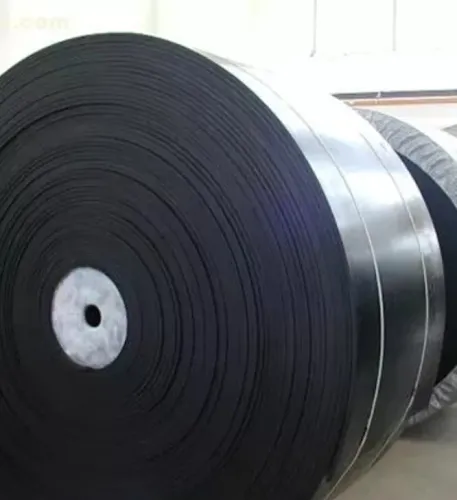
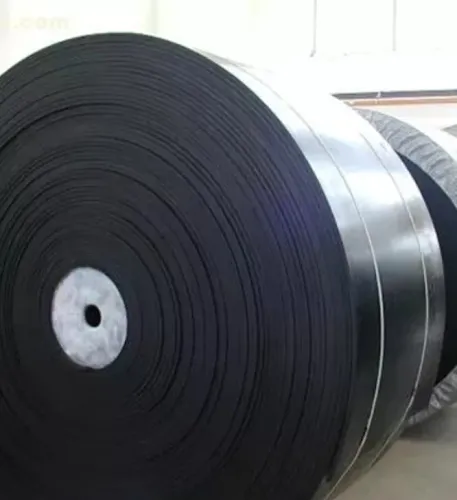
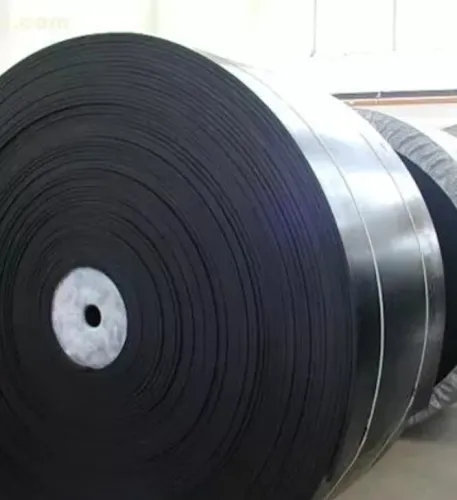
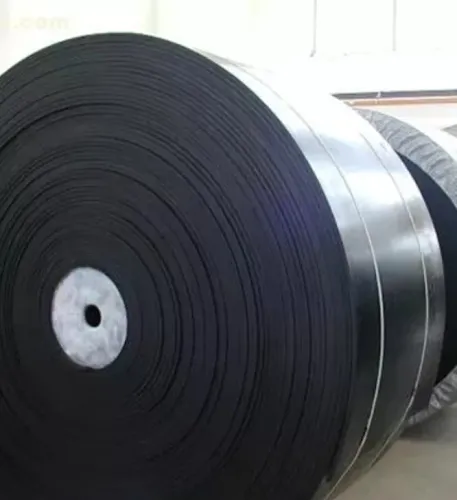
 | Fire Resistant Conveyor Belts We hold expertise in offering Fire Resistant Conveyor Belts that are manufactured using the latest technology and provide optimum performance. View product → |
Commission the belt alongside the controls that prevent conveyor fires
A fire-resistant belt is not fireproof or self-extinguishing under every plant condition. It will not prevent fires caused by seized bearings, belt slip, blocked chutes, electrical faults, frictional heating, or combustible buildup.
A search for fire resistant conveyor belt in pune must end with a control plan, not only a belt order. Retain belt-slip and misalignment switches, bearing-temperature monitoring, emergency stops, pull-cord switches, housekeeping, dust control, and an extinguishing method suited to the material and process.
1. Commission the conveyor empty, then loaded. Record belt identification, manufacturing date, certificate scope, splice method and details, empty-run behaviour, loaded tracking, slip, bearing temperature, and baseline readings.
2. Remove seized rollers and carryback before operation. Clear combustible buildup around pulleys, chutes, cleaners, guards, and transfer points.
3. Inspect splice edges and cover cracking at defined intervals. Check tension and tracking, then test every safety switch and record each corrective action.
4. Match the protection to the hazard. Request fire resistance for credible flame or combustible-material exposure; request heat resistance for defined hot-material duty, stating continuous and peak temperatures, exposure duration, and contact pattern. Choose neither when redesign, dust control, guarding, shutdown logic, or suppression addresses the dominant risk more effectively.
Fire resistance does not replace service-life evidence. Request separate abrasion, tensile, adhesion, oil, and temperature data whenever those failure modes govern the installation.
Frequently asked questions
How do you identify the correct fire-resistant conveyor belt construction?
Define whether the main hazard is flame, continuous heat, peak temperature, contamination, or mechanical damage. Fire resistance limits flame persistence and spread after ignition, while heat resistance addresses material temperature, exposure duration, and contact pattern under ISO 4195.
What test evidence should you request from a conveyor belt supplier?
Ask for the belt specification, construction details, batch identification, and test reports that show fire-resistance performance. Check that the evidence applies to the supplied cover and belt grade rather than a different product.
What should you inspect before replacing an existing conveyor belt?
Check belt width and length, pulley diameters, take-up travel, loading zone, idlers, scrapers, cleaners, splice arrangement, tracking, and guarding. Record conditions that could damage the replacement belt or create a fire risk.
How should you compare conveyor belt companies in Pune?
Compare documented test evidence, material-handling experience, site measurement, splice support, replacement lead time, warranty terms, and commissioning assistance. An industrial conveyor belt supplier in Pune should explain how its belt fits your conveyor and operating conditions.
What controls should be commissioned with a fire-resistant conveyor belt?
Test belt alignment, emergency stops, pull-cord switches, slip and zero-speed detection, bearing-temperature monitoring, fire detection, suppression interfaces, guarding, and housekeeping. Commission the belt and controls together before returning the conveyor to service.