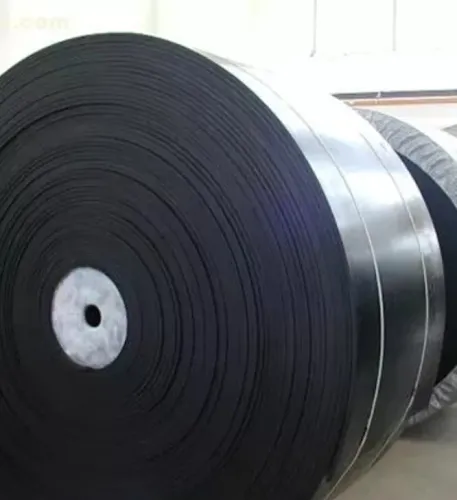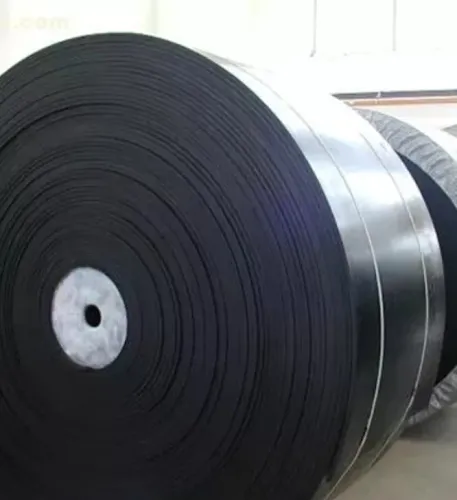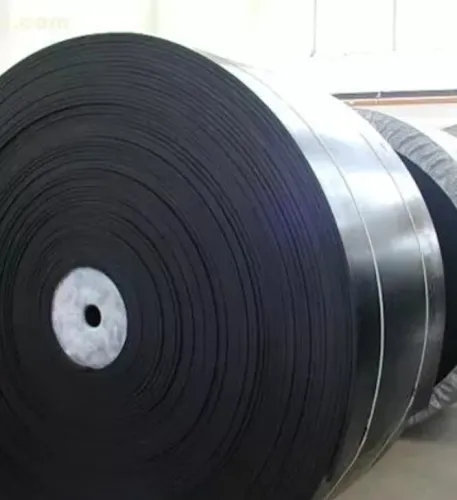

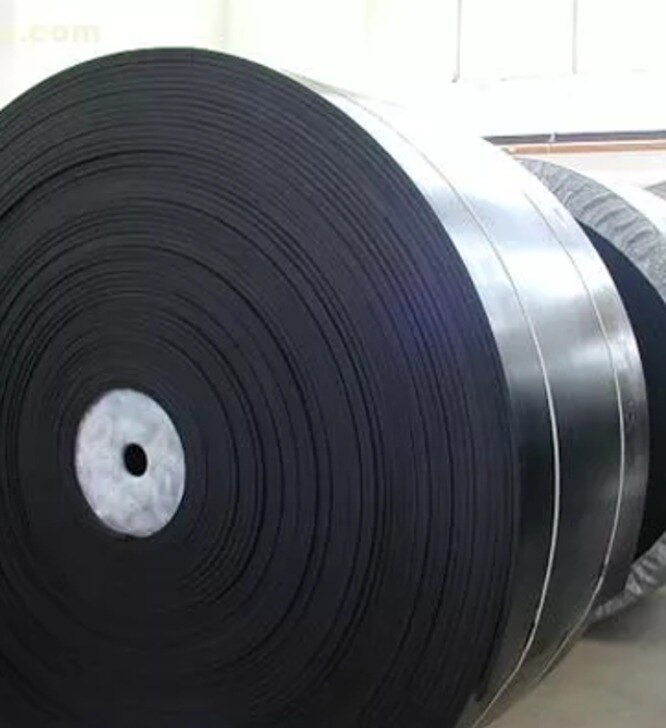
A fire-resistant conveyor belt is not fireproof, and its certificate does not prove that the splice, conveyor structure, or surrounding dust controls will perform during a real incident. By the end, you will know how to verify the belt’s test evidence, match its construction to your plant duty, and judge whether an installation team has controlled the replacement properly.
Key takeaways
- Treat fire resistance as tested flame behaviour, not fireproofing.
- Match belt construction to material, temperature, speed and conveyor duty.
- Specify test evidence, belt dimensions, joints and installation responsibilities before ordering.
- Record commissioning checks and protect the belt from heat, friction and contamination.
What fire resistance means—and what the test documents prove
Fire resistance means defined flame behaviour in a laboratory test, not fireproofing. Fire resistant rubber conveyor belts can limit ignition or flame spread under specified conditions, but they are not guaranteed to survive a conveyor fire.
Check these as separate performance questions:
- Ignition: does the test specimen catch fire when exposed to the specified flame?
- Flame spread: does burning travel along the belt, and how far?
- Burning after flame removal: does the specimen continue burning once the test flame is withdrawn?
- Electrical conductivity: does the belt meet the resistance limit for dissipating static charge?
Request the exact ISO 340 test report, or the applicable national-equivalent report, for flame behaviour. Ask for the ISO 284 electrical-resistance result separately; a flame-resistance report does not prove antistatic performance.
Match every document to the belt grade, construction, manufacturer, test date, and manufacturing batch or serial range covered. A certificate that identifies only a product family is not enough to trace the installed belt.
A laboratory result does not promise survival when a seized bearing, hot idler, friction, hot conveyed material, or accumulated combustible dust starts a conveyor fire. The report describes defined test conditions.
A belt-cover certificate also does not automatically certify the completed splice. Require approval for the splice compound and joint design, because a hot splice, exposed reinforcement, or poor preparation can become the weak point.
How belt construction and plant duty determine the right choice
Coal and mining conveyors need abrasion-resistant covers, impact protection at loading points, and a carcass sized for high tension; cement plants need abrasion resistance plus heat tolerance. Foundries need impact and heat protection, while recycling lines need resistance to sharp scrap, oil and variable loading.
Warehouses usually favour lighter fabric belts unless the load, incline or speed demands higher tensile class.
Cover rubber resists abrasion, heat, oil and flame. Skim layers bond plies and spread impact; the fabric or steel cord carries tension, while the carcass provides the belt’s structural body. More plies increase load distribution and puncture tolerance but reduce flexibility. A thicker cover lasts longer against wear yet requires larger pulleys.
Tensile class sets allowable longitudinal load; it does not alone determine fire performance.
Fire resistance addresses defined flame behaviour. Heat resistance addresses sustained material temperature.
| Fire-resistant belt | Limits ignition, flame spread and burning after flame removal under a specified test | Combustible dust, coal, biomass or open-flame risk |
|---|---|---|
| Heat-resistant belt | Carries material within a stated continuous temperature range | Hot cement, clinker, castings or sintered material |
| Both properties | Needed when hot material and ignition risk coexist | Hot, dusty or combustible process areas |
For fire resistant belts for industrial plants, match the construction to abrasiveness, impact load, belt speed, trough angle, operating temperature, oil or chemical exposure, pulley diameter and splice system. Fire resistant rubber conveyor belts are risk-control components, not substitutes for guarding, emergency pull-cords, dust control, housekeeping, bearing monitoring, detection or suppression.
What to put in a Pune plant’s belt specification before ordering
A quotation for fire resistant conveyor belts with installation in Pune must state measurable design data, not just “fire-resistant.” Before ordering, survey chute edges, idlers, pulley alignment, the loading point, cleaners and the failure that caused the existing belt to fail.
| Specification item | State this in the quotation |
|---|---|
| Width and length | Finished belt width and centre-to-centre length |
| Construction | Tensile class, number of plies, or steel-cord construction |
| Covers | Top and bottom cover thickness, cover grade and required ISO 340 or national-equivalent class |
| Duty | Operating temperature range, belt speed, loading arrangement and material characteristics, including abrasiveness, lump size, impact, moisture, oil or chemicals |
| Pulley limits | Minimum head, tail, bend and take-up pulley diameters |
| Cleaning and tension | Cleaner type and take-up travel |
| Joint requirements | Splice method, approved splice compound and joint design |
| Testing | Required fire-resistance test standard and ISO 284 antistatic result |
Treat every stated minimum pulley diameter as a design limit. An undersized pulley forces excessive flexing, causing carcass fatigue, cover cracking and splice failure despite an adequate tensile rating.
Require written confirmation that the splice compound and joint design are approved for the belt construction and specified fire-resistance requirement. A fire-resistant cover certificate does not certify the completed joint. Include chute-edge repairs, seized-idler findings, alignment measurements and the selected splice system in the order record.
What controlled fire-resistant belt installation in Pune involves
A replacement belt does not correct a seized idler, sharp chute edge, poor alignment or insufficient take-up travel. Controlled fire resistant conveyor belt installation in Pune finds those faults before they shorten the new belt’s life.
1. Survey the conveyor and record pulley alignment, idler condition, belt-cleaner position, chute loading and available take-up travel.
2. Isolate and lock out the equipment under a documented permit procedure before removing guards or cutting the old belt. Remove and dispose of the old belt with controlled lifting and pulling methods.
3. Calculate the pulling arrangement, including pulling force, rope capacity, pulling points, belt route and personnel exclusion zones.
4. Confirm the replacement belt’s length, construction and running direction. Align pulleys and idlers, then set the take-up travel before joining the belt.
5. Prepare and make the splice using a system approved for the belt construction and specified fire-resistance requirement. For a hot-vulcanized splice, control buffing, cleaning, cementing, ply-step preparation, pressure, temperature, cure time and cooling; visual inspection alone cannot prove bond quality.
6. Track the belt during an unloaded run. Correct structural or pulley alignment, defective idlers, chute loading and cleaner position before considering idler skew.
When comparing conveyor belt installation companies in Pune, ask for this sequence, splice records and commissioning measurements—not merely a supply quotation. Elcon Elastomers Pvt Ltd can discuss belt selection alongside these installation requirements, but fire resistant conveyor belts with installation in Pune still require controlled site execution, documented isolation and verified tracking.
Related product
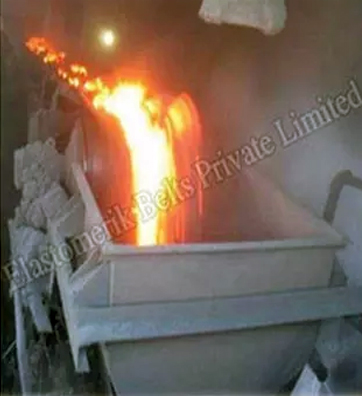 | Fire Resistant Conveyor Belts We hold expertise in offering Fire Resistant Conveyor Belts that are manufactured using the latest technology and provide optimum performance. View product → |
How to commission, document and protect the conveyor after installation
Release the replacement to production only after an unloaded tracking check and a loaded trial run. Observe belt centring, edge contact, chute loading, cleaner pressure, take-up position, splice behaviour, belt speed, and abnormal heat or noise.
Correct tracking at its source: verify structural and pulley alignment, centre the material stream, and repair defective idlers or chutes. Do not indiscriminately skew idlers; excessive permanent skew increases edge wear and can create mistracking under load.
Record these items at handover:
- Splice method, materials, pressure, temperature, cure time and cooling details
- Belt serial or batch identification
- Test certificates
- Photographs of the splice, pulleys, loading point and tracking condition
- Measured tracking and take-up settings
- Inspection intervals and outstanding defects
Use the handover file when reviewing a later failure. It helps separate belt-material deficiency, splice workmanship, mechanical damage, alignment error and overloading instead of blaming the belt without evidence.
Fire resistant belts for industrial plants still require protection against nip points, draw-in and crushing. Retain guards, emergency stops, pull-cords, fire detection and suppression, housekeeping, dust control, and inspections of bearings, cleaners and other rotating parts.
| Failure source | Evidence to review | Corrective focus |
|---|---|---|
| Belt material | Batch record and test certificate | Supplier investigation |
| Splice | Cure and preparation records | Joint repair or process control |
| Mechanical or alignment | Photos, idler and pulley checks | Replace, align or guard |
| Overloading | Trial data and operating records | Control feed rate and belt speed |
Frequently asked questions
What does fire resistance prove in a conveyor belt?
It proves the belt’s flame behaviour under a named laboratory test and its specified conditions. It does not guarantee that the belt will survive a conveyor fire.
How do you choose fire-resistant belts for an industrial plant?
Match the belt construction to the conveyed material, operating temperature, belt speed, loading pattern, conveyor design and exposure to oil or other contaminants.
What should a Pune plant include in its belt specification?
State belt width, length, carcass, cover grade, thickness, tensile rating, joint method, test documents, operating conditions, installation scope and acceptance checks.
What does fire-resistant conveyor belt installation in Pune involve?
Control lifting and storage, inspect the conveyor, align and tension the belt, complete the specified joint, verify tracking and guards, then run and document commissioning checks.