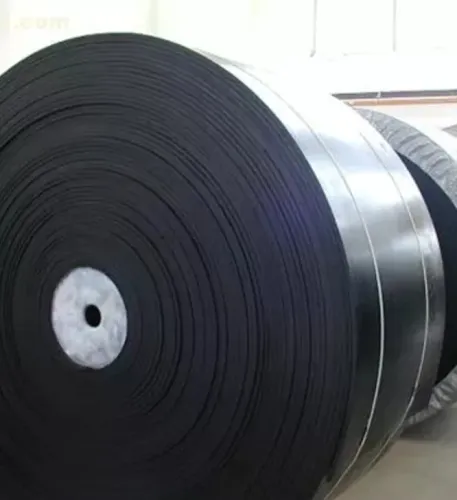

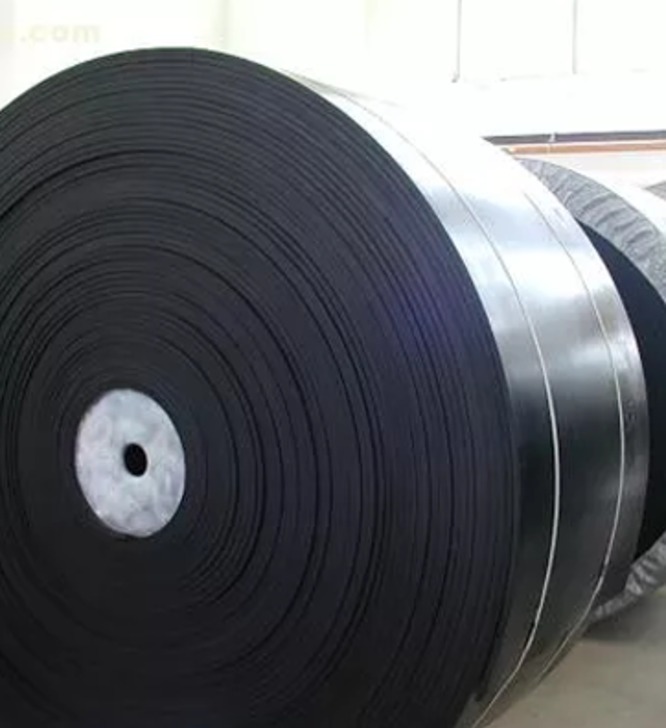
Food production facilities depend heavily on reliable material handling systems. Among the most important components in these systems are conveyor belts specifically designed for food processing environments. Businesses searching for food-grade conveyor belt manufacturers are often looking for solutions that support hygiene, efficiency, and regulatory compliance.
Unlike standard industrial conveyor belts, food-grade conveyor systems must meet strict safety and sanitation requirements. These belts come into direct contact with food products and therefore play a critical role in maintaining product quality and consumer safety.
The food manufacturing sector in Cape Town continues to grow across categories such as packaged foods, beverages, agricultural products, bakery items, and seafood processing. As production volumes increase, the need for hygienic and dependable conveyor systems becomes even more important.
Food-grade conveyor belts are designed using materials that resist contamination and facilitate cleaning. Common characteristics include:
- Smooth, non-porous surfaces
- Resistance to oils and fats
- Easy washdown capability
- Chemical resistance
- Low bacterial retention
- High durability under continuous use
These features help manufacturers maintain cleanliness while supporting efficient production workflows.
One of the biggest challenges faced by food processing facilities is contamination risk. Poorly designed conveyor systems can harbor bacteria, accumulate residue, and create sanitation concerns. Proper conveyor belt selection helps minimize these risks and supports compliance with food safety standards.
Efficiency is another major consideration. Conveyor systems directly influence production speed and consistency. Reliable belts help reduce stoppages, improve throughput, and support uninterrupted operations during peak production periods.
When evaluating food-grade conveyor belt manufacturers, businesses should consider:
- Material certifications
- Hygiene-focused design
- Industry experience
- Product lifespan
- Cleaning compatibility
- Technical support availability
A supplier that understands food industry requirements can provide valuable guidance regarding product selection and maintenance practices.
Food processors also face increasing pressure to improve operational sustainability. Modern conveyor technologies often contribute to reduced energy consumption, lower maintenance requirements, and longer service life. These factors can help businesses achieve both environmental and financial goals.
Another emerging trend involves automation. As more facilities adopt automated production lines, conveyor systems must deliver precise and reliable performance. High-quality food-grade belts support accurate product movement while maintaining consistent production standards.
Elcon Elastomers Pvt Ltd is among the manufacturers serving industrial sectors that require specialized conveyor solutions. Businesses seeking food-grade conveyor products often prioritize manufacturers with strong quality control practices and experience supporting complex operational requirements.
The long-term value of a food-grade conveyor belt extends beyond compliance. Reliable systems contribute to productivity, product quality, equipment protection, and operational efficiency. These benefits make conveyor belt selection an important strategic decision for food manufacturers.
As the food industry continues evolving, businesses in Cape Town will increasingly depend on conveyor technologies that combine hygiene, durability, and performance. Choosing the right manufacturing partner remains one of the most effective ways to support these goals while maintaining safe and efficient production environments.