
High-temperature environments can quickly become one of the biggest challenges for conveyor systems. Businesses searching for a heat-resistant conveyor belt supplier are often dealing with production conditions where ordinary belts fail prematurely due to continuous exposure to elevated temperatures.
Industries such as cement manufacturing, steel processing, foundries, power generation, and mineral handling regularly transport hot materials. In these environments, selecting the wrong conveyor belt can result in cracking, hardening, surface damage, and unexpected downtime.
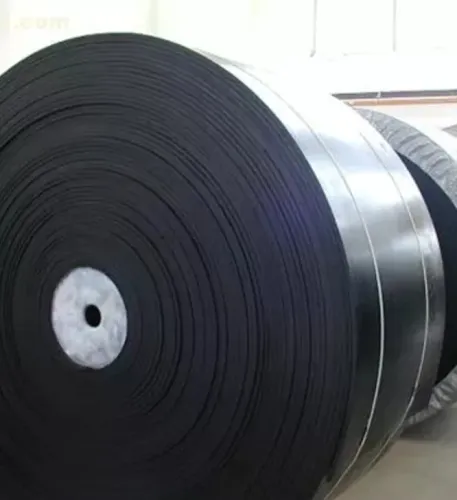
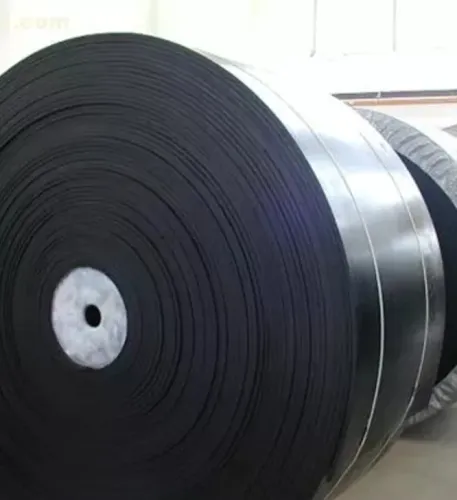
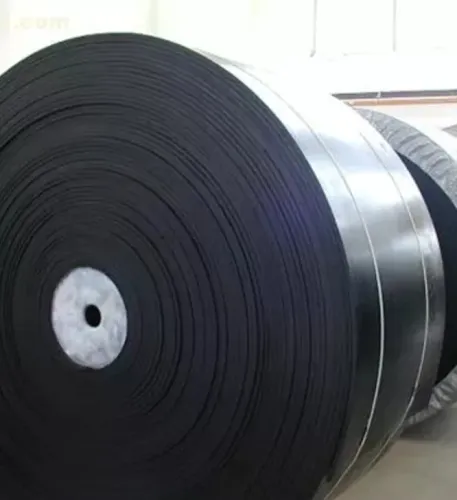
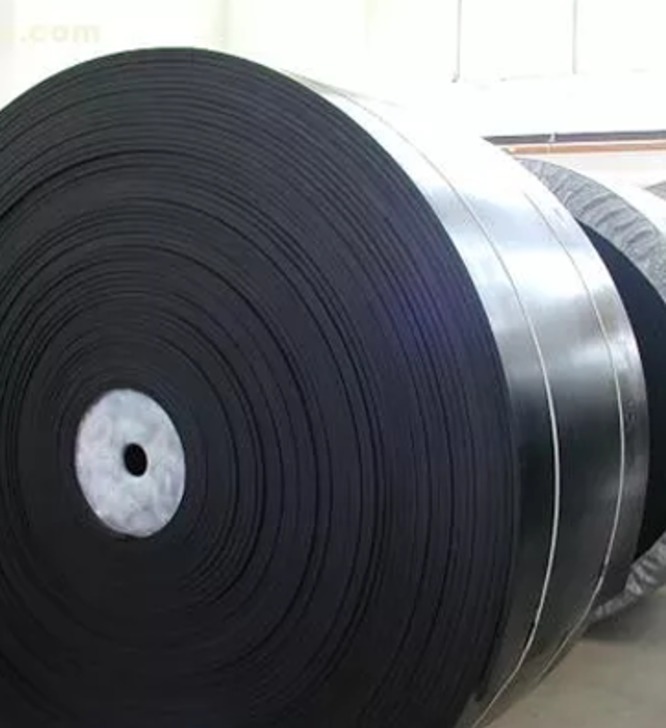
Heat-resistant conveyor belts are specifically engineered to withstand elevated operating temperatures while maintaining flexibility and structural integrity. Their specialized rubber compounds are designed to resist thermal degradation, helping facilities maintain continuous production without frequent belt replacements.
One of the most common misconceptions is that all conveyor belts can tolerate occasional exposure to heat. While standard belts may handle moderate temperatures for short periods, prolonged exposure can significantly shorten their lifespan.
Several factors influence the selection of a heat-resistant conveyor belt:
- Material temperature
- Ambient operating conditions
- Conveyor speed
- Material volume
- Exposure duration
- Environmental contaminants
For example, a cement plant handling clinker requires a different belt specification than a facility transporting moderately heated industrial materials.
Cape Town's industrial sector includes manufacturing and processing operations where conveyor systems must operate efficiently despite demanding environmental conditions. As production requirements increase, companies are becoming more focused on selecting application-specific solutions rather than generic conveyor products.
A reliable supplier should conduct a thorough assessment of operational requirements before recommending a belt. This process often includes reviewing material characteristics, temperature ranges, loading conditions, and expected production volumes.
Businesses should also evaluate long-term operating costs. While heat-resistant conveyor belts may involve a higher initial investment, they often deliver significant savings through reduced maintenance, fewer replacements, and improved production reliability.
Regular inspection and maintenance remain important even when using premium heat-resistant products. Monitoring wear patterns, tracking operating conditions, and addressing issues early can extend belt lifespan and reduce unexpected failures.
Manufacturers such as Elcon Elastomers Pvt Ltd support industries requiring specialized conveyor solutions designed for demanding operating environments. Buyers often prioritize technical expertise and application knowledge when selecting a supplier for high-temperature operations.
Technology continues to improve conveyor belt performance through advanced rubber compounds and enhanced reinforcement systems. These innovations help industrial facilities increase productivity while minimizing maintenance interruptions.
For organizations operating in high-temperature environments, choosing the right heat-resistant conveyor belt supplier can have a direct impact on operational efficiency, equipment reliability, and long-term production success.