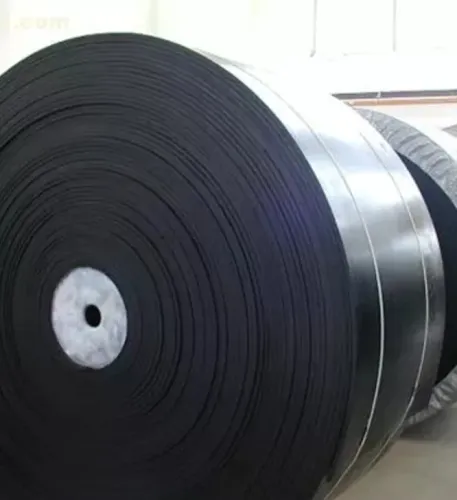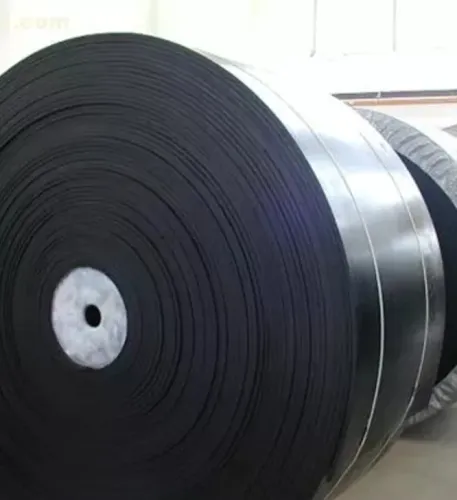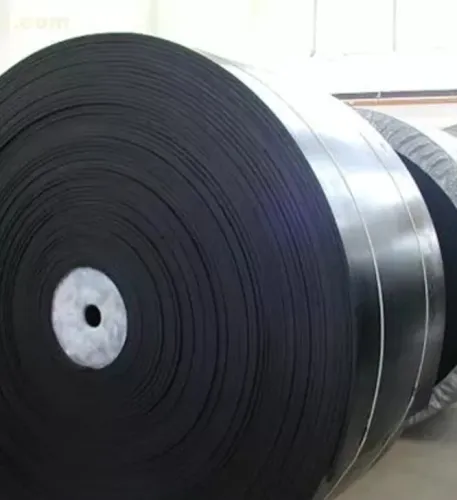

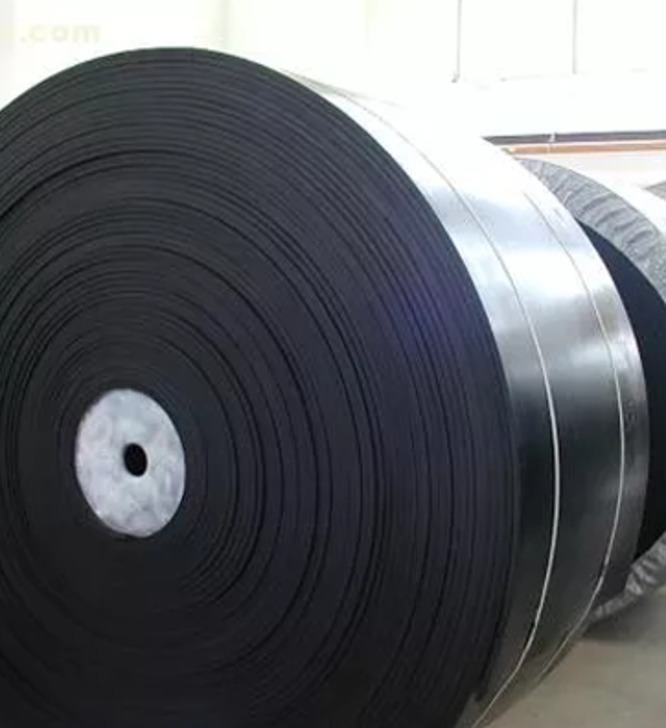
Cement manufacturing is one of the most demanding industrial processes for material handling systems. Businesses searching for conveyor belts for cement plants often face challenges involving heat, abrasion, dust, and continuous production requirements.
Conveyor systems are responsible for moving raw materials, clinker, finished products, and various intermediate materials throughout the production process. Any disruption can affect output, maintenance schedules, and overall plant efficiency.
One of the biggest challenges in cement plants is exposure to high temperatures. Materials such as clinker can reach extremely elevated temperatures before transportation. Standard conveyor belts may deteriorate rapidly under these conditions, resulting in cracking, hardening, and structural damage.
Abrasion presents another major concern. Cement production involves handling materials that continuously wear down conveyor surfaces. Over time, this wear can lead to reduced performance and increased replacement costs.
The most effective conveyor belts for cement plants are designed to address multiple operational challenges simultaneously:
- Heat resistance
- Abrasion resistance
- High tensile strength
- Impact resistance
- Long service life
- Low maintenance requirements
Choosing a belt based solely on price often leads to higher long-term operating expenses. Plant operators increasingly focus on lifecycle value rather than initial procurement costs.
Dust management is another important factor. Cement production environments generate significant airborne particles that can affect equipment performance. Conveyor systems designed for these conditions help maintain operational efficiency while reducing maintenance demands.
Cape Town's industrial and construction-related sectors continue to rely on efficient material handling solutions to support infrastructure development and manufacturing activities. As production targets increase, the importance of reliable conveyor systems becomes even more evident.
Plant managers evaluating conveyor belts should assess operational conditions carefully. Important questions include:
- What temperatures will the belt encounter?
- What materials are being transported?
- How many operating hours are required?
- What maintenance resources are available?
- What production volumes must be supported?
These considerations help ensure the selected belt aligns with actual operating requirements.
Elcon Elastomers Pvt Ltd works with industrial customers seeking conveyor solutions capable of performing in challenging environments such as cement manufacturing. Buyers often prioritize suppliers that understand the technical requirements associated with heavy-duty material handling operations.
Advancements in conveyor technology continue to improve belt performance through enhanced rubber compounds, stronger reinforcements, and more durable construction techniques. These innovations help cement plants reduce downtime while improving operational reliability.
For cement manufacturers, the right conveyor belt is not simply a transportation component. It is a critical contributor to plant productivity, maintenance efficiency, and long-term operational success. Organizations that invest in appropriate conveyor solutions are better positioned to maintain consistent production and control operating costs.