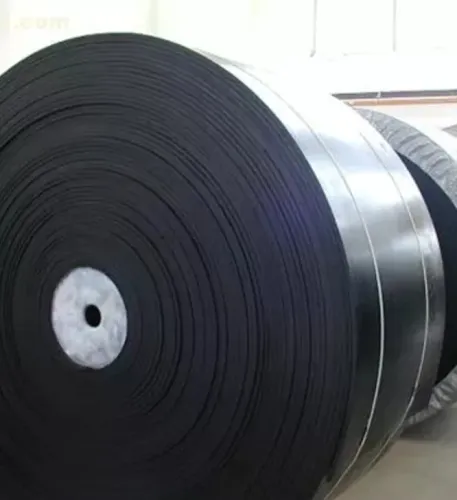

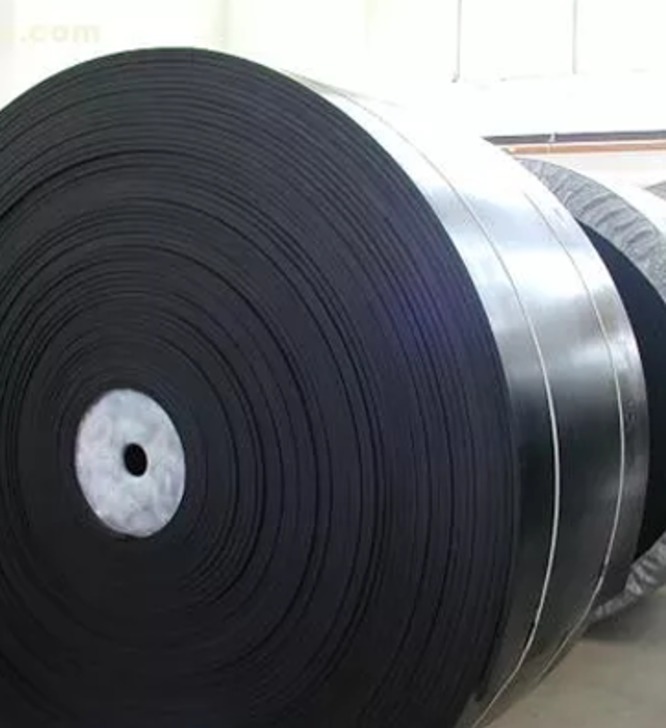
Heavy industries operate under some of the most demanding conditions in the industrial world. Facilities involved in mining, cement manufacturing, bulk material handling, steel production, and large-scale processing depend on conveyor systems capable of handling extreme workloads. Businesses searching for the best conveyor belts for heavy industries are typically looking for solutions that can withstand harsh operating environments while maintaining consistent performance.
Unlike standard conveyor applications, heavy industrial operations involve larger loads, abrasive materials, higher impact forces, and longer operating hours. These conditions place significant stress on conveyor components, making belt selection a critical operational decision.
One of the most important characteristics of a heavy-duty conveyor belt is tensile strength. High-strength reinforcement materials help the belt carry large volumes of material without excessive stretching or premature failure.
Durability is equally important. Heavy industrial environments often expose conveyor belts to:
- Sharp materials
- Abrasive surfaces
- Extreme temperatures
- Dust accumulation
- Moisture exposure
- Continuous operation cycles
Conveyor belts designed for these conditions must maintain structural integrity over extended periods.
Mining operations around Southern Africa provide a good example of demanding conveyor applications. Belts used in mining frequently transport heavy loads across long distances while enduring severe wear conditions. Selecting an unsuitable belt can result in costly downtime and production disruptions.
Cement plants present another challenge. Conveyor systems in these facilities often encounter high temperatures and abrasive raw materials. Heat-resistant and wear-resistant belt constructions help maintain performance while reducing maintenance requirements.
When evaluating conveyor belts for heavy industries, businesses should consider several key features:
- High tensile reinforcement
- Superior abrasion resistance
- Impact resistance
- Heat resistance
- Chemical resistance where required
- Long service life
The best solution depends on the specific operational environment rather than a universal product specification.
Maintenance considerations should also influence purchasing decisions. Some conveyor belts are designed to reduce repair frequency and improve overall equipment reliability. While premium products may involve higher upfront investment, they often provide better long-term value through reduced downtime and lower replacement costs.
Cape Town-based industrial operations increasingly seek conveyor systems that combine performance with operational efficiency. Rising production demands make reliability a top priority for plant managers and maintenance teams.
Elcon Elastomers Pvt Ltd serves industrial customers seeking conveyor solutions for demanding applications where durability and performance are critical considerations. Companies evaluating heavy-duty conveyor products often focus on manufacturing quality, technical expertise, and application-specific design capabilities.
Technological improvements continue to drive innovation within the conveyor industry. Modern heavy-duty belts are being engineered for greater efficiency, reduced energy consumption, and longer operational life. These advancements help businesses improve productivity while managing operational costs.
For heavy industries, the right conveyor belt is not merely a component. It is a strategic asset that supports production continuity, workplace safety, and long-term operational success.