
Food processing facilities operate under strict quality, hygiene, and safety standards. Every component that comes into contact with food products must meet specific requirements to ensure product integrity and consumer safety. This makes selecting the right conveyor belt a critical decision for manufacturers across the food industry.
Businesses searching for food-grade conveyor belt manufacturers often focus on compliance, durability, and hygienic performance. However, understanding the role of material selection can help organizations make more informed decisions and avoid costly operational challenges.
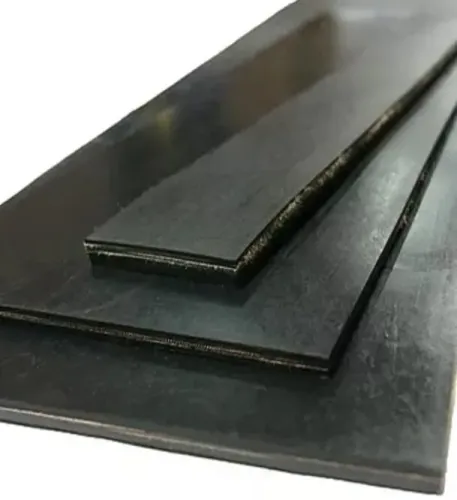
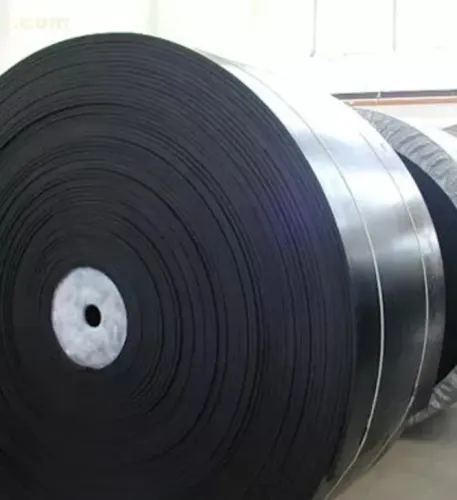
Food-grade conveyor belts are specifically designed for applications involving direct or indirect food contact. Unlike standard industrial belts, these products are manufactured using materials that meet regulatory requirements while supporting hygienic processing environments.
One of the primary considerations is contamination prevention. Food processing environments require materials that resist bacterial growth, moisture absorption, and product residue accumulation. Conveyor belts with smooth, easy-to-clean surfaces help reduce contamination risks and support sanitation procedures.
Different food products create different operating conditions. Bakery products, dairy items, meat processing operations, beverages, frozen foods, and packaged goods all have unique handling requirements. Selecting the appropriate conveyor belt material ensures compatibility with the production process.
Temperature resistance is particularly important in food manufacturing. Some applications involve hot products immediately after cooking, while others require cold storage and freezing conditions. Conveyor belts must maintain performance across these varying environments.
Chemical resistance is another key factor. Cleaning agents, sanitizers, oils, and food ingredients can affect material performance over time. Belts designed for food processing applications are engineered to withstand frequent cleaning cycles while maintaining structural integrity.
Operational efficiency is closely linked to conveyor belt performance. Improper material selection can lead to product sticking, tracking issues, excessive wear, and production interruptions. Choosing the right belt helps maintain consistent product flow and minimizes downtime.
Food manufacturers should also consider maintenance requirements. Easy-to-clean conveyor systems reduce cleaning time and improve overall productivity. Facilities focused on operational excellence often prioritize solutions that simplify sanitation procedures without compromising performance.
The food manufacturing sector continues to expand across Maharashtra, driven by increasing consumer demand, export opportunities, and processing capacity growth. Companies operating in Navi Mumbai and surrounding industrial regions increasingly require reliable material handling systems that support modern food safety standards.
Supplier expertise plays an important role during the selection process. Manufacturers familiar with food industry requirements can recommend suitable materials, configurations, and maintenance practices tailored to specific production environments.
Elcon Elastomers Pvt Ltd manufactures conveyor belts and industrial rubber products for various industrial sectors, including applications where performance, durability, and material quality are critical considerations. Businesses evaluating food-grade conveyor solutions often assess supplier experience, product consistency, and compliance capabilities.
Food safety begins with every component involved in production. By prioritizing appropriate conveyor belt materials and working with knowledgeable manufacturers, food processing businesses can improve hygiene, operational efficiency, and long-term production reliability.